Across the Channel
French grandeur and English intimacy, two nations and two visions of painting, hung only steps apart at the Louvre.
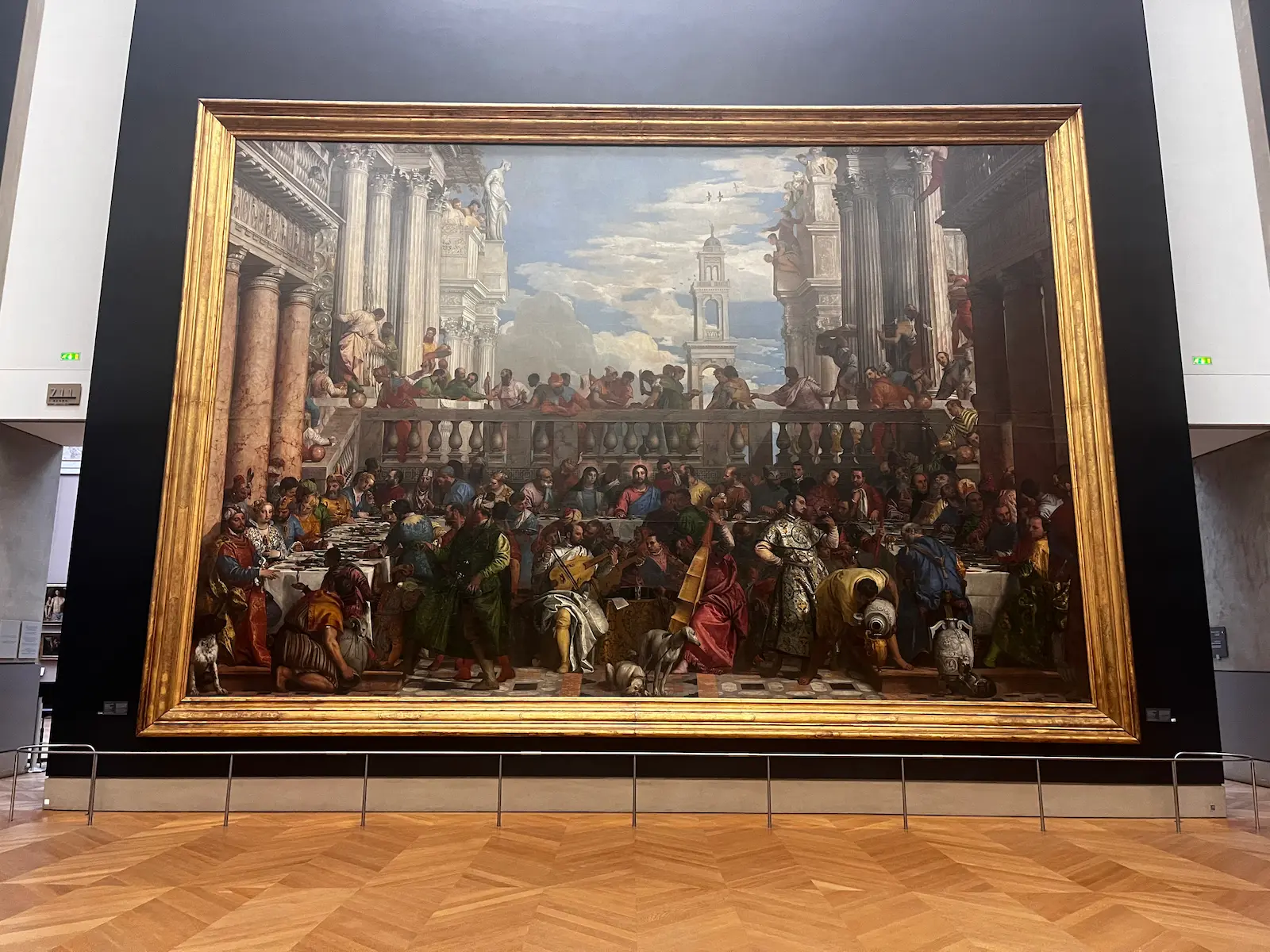
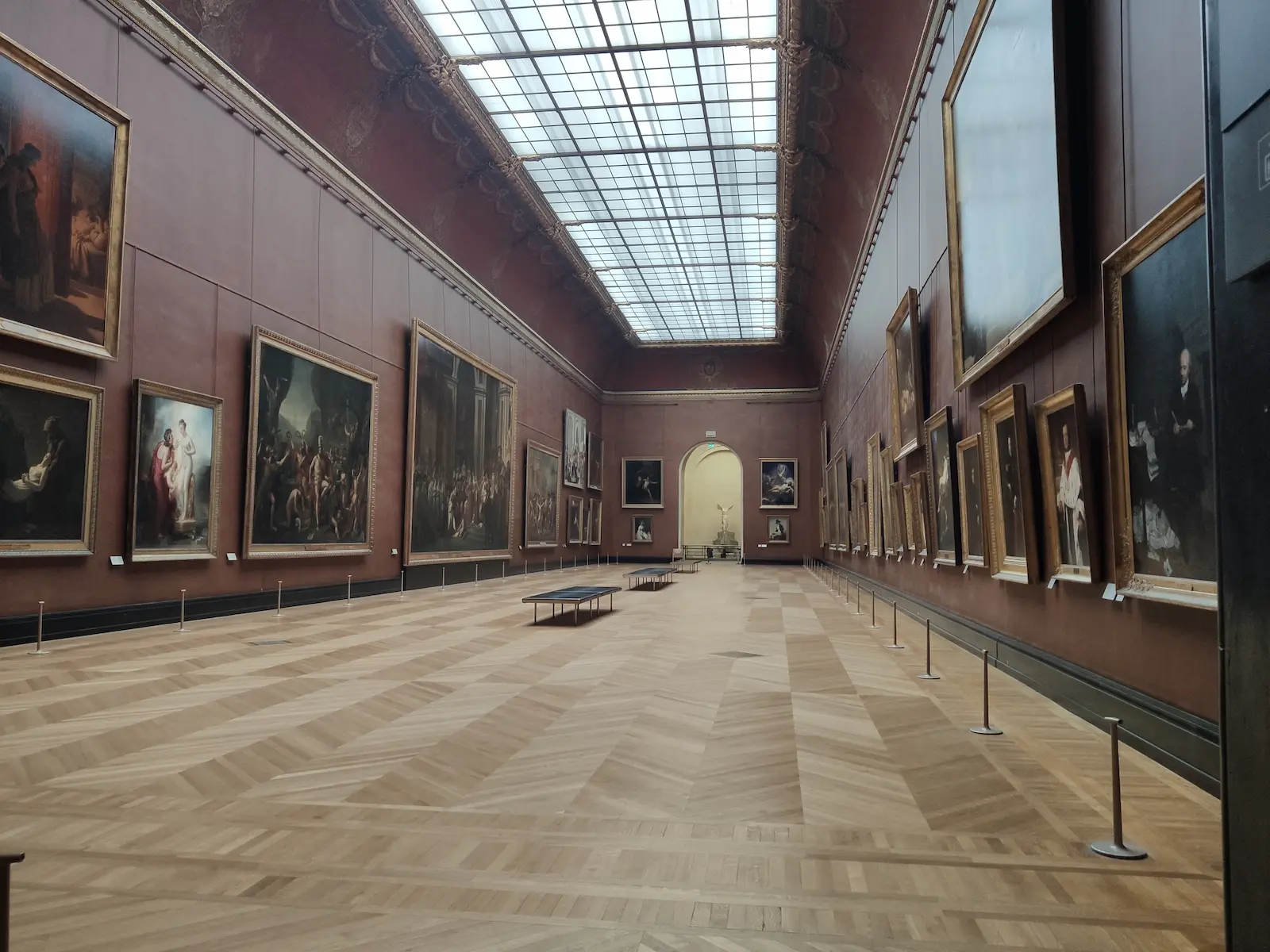
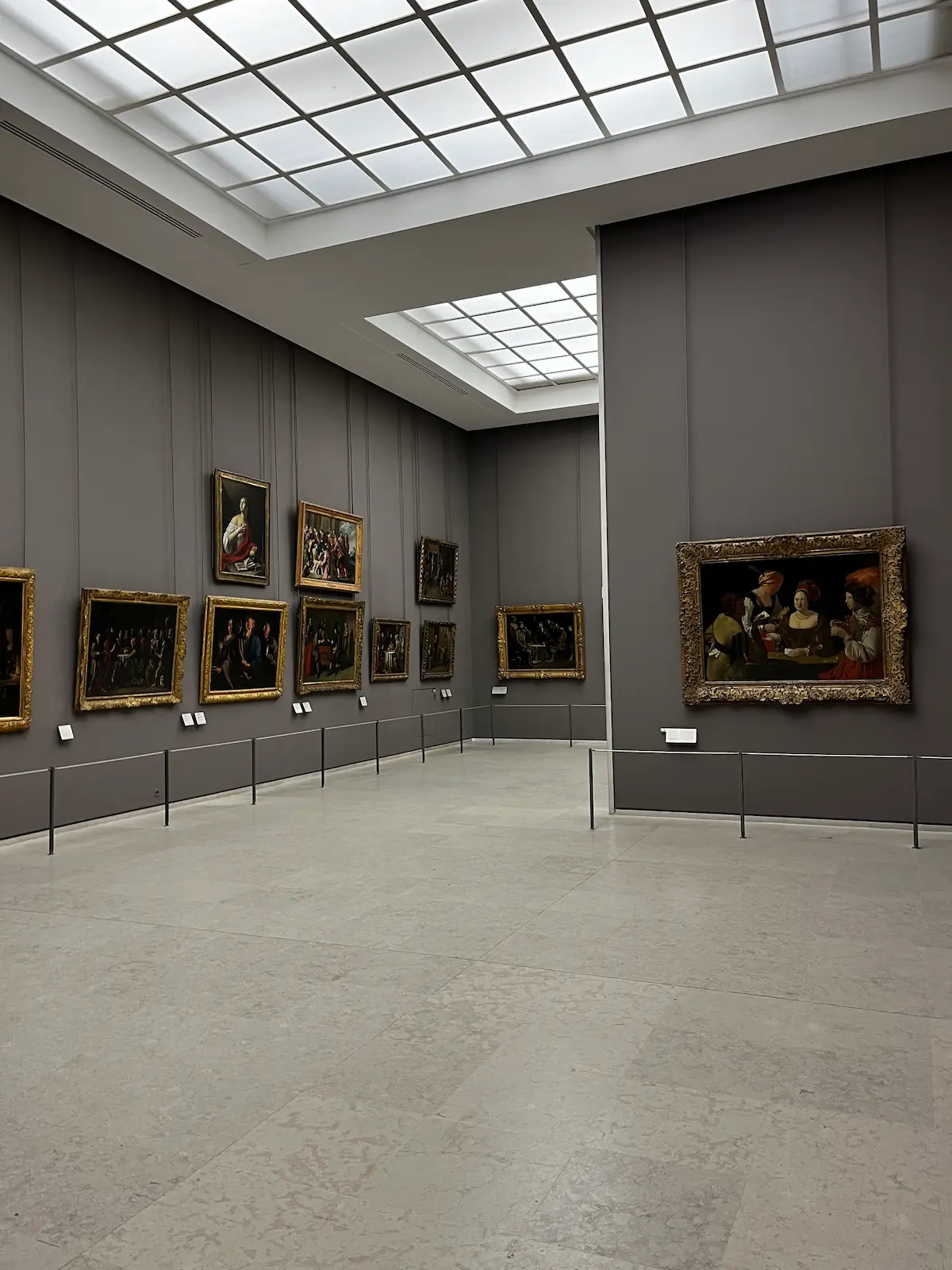
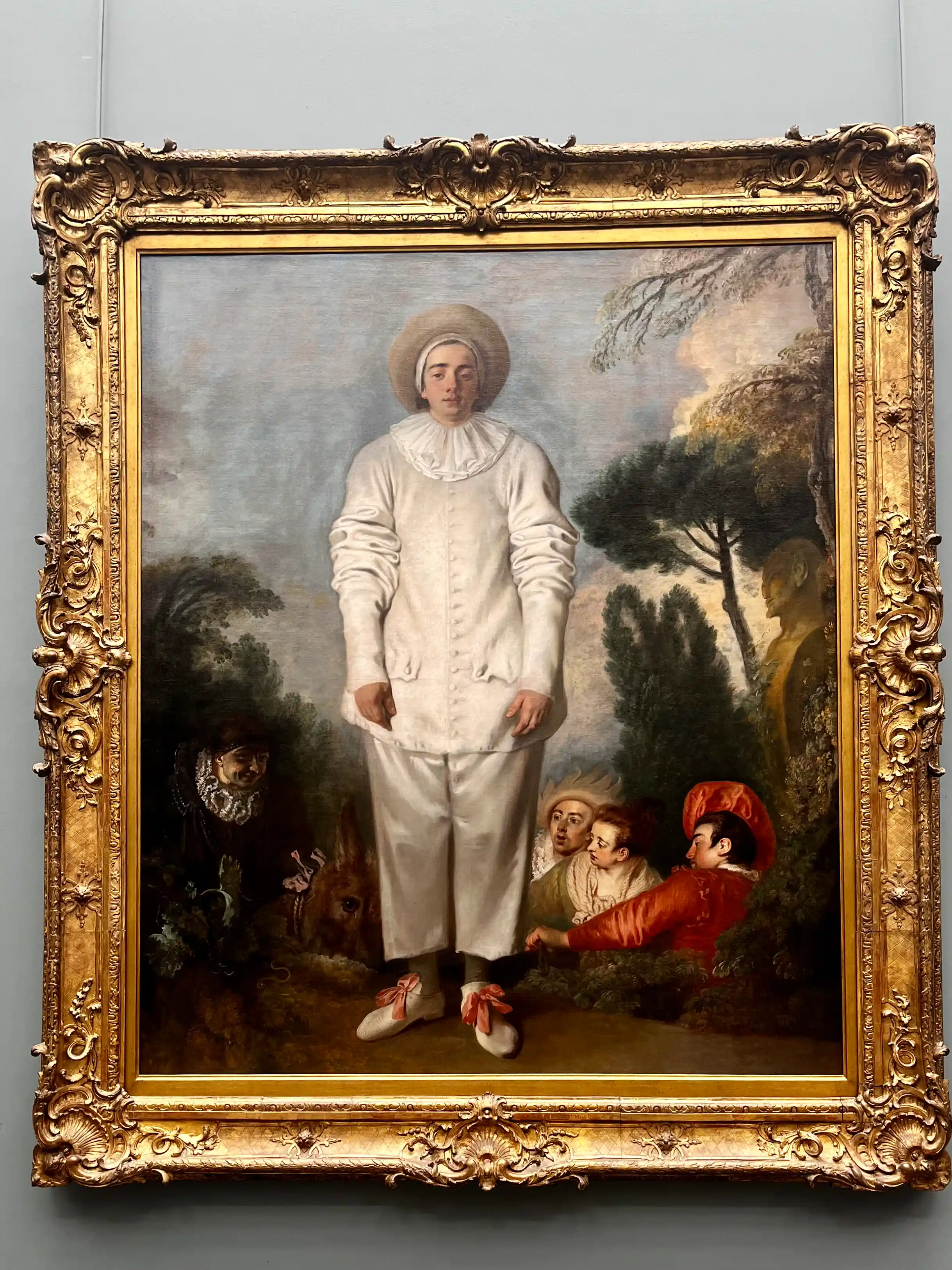
Few comparisons in the Louvre are as revealing as the one this tour draws, between the French and English schools, hung only a few steps apart. In the Salles Rouges, French painting is vast, public and charged with history. In the English rooms next door, it turns quiet and intimate, given over to portraits and landscapes. Two nations, two ideas of what a painting is for.
This is the heart of the tour, understanding why the two diverged. France painted to instruct and to move crowds, reaching for history, myth and politics on an enormous scale. England painted for the drawing room and the eye, prizing the likeness of a face and the mood of a landscape. When the two finally met at the Paris Salon of 1824, the encounter changed French painting for good.
What you will see
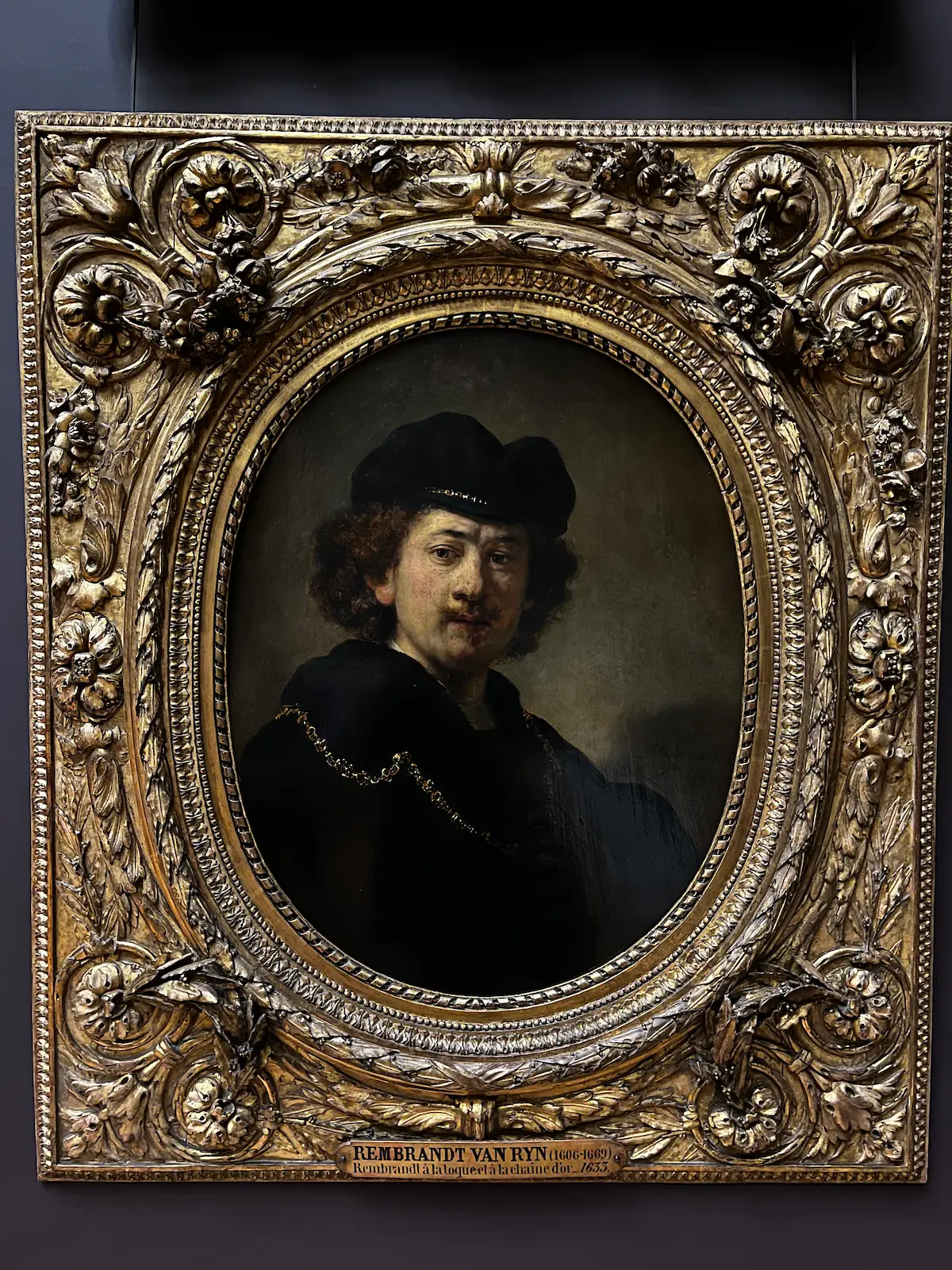
We begin in the Salles Rouges, among the giants of French painting, moving from the cool discipline of the Academy to the fire of Romanticism, past Gericault's Raft of the Medusa and Delacroix's Liberty Leading the People. Then we cross into the English rooms, where Gainsborough caught the faces of a society and Constable its weather and its fields.
It suits anyone who loves 19th-century painting, and British visitors especially enjoy seeing their own school in dialogue with the French. If a particular artist or painting draws you, mention it when you enquire.
France · England · and the storm between
Pépin's advice
Step back, then step in. The French canvases are built for distance and for detail at once. Seen from across the room and then up close, Gericault's Raft is almost two different paintings.
Read the room behind the picture. Liberty Leading the People shows a real uprising on the streets of Paris. Knowing the events behind it turns a famous image into something urgent.
Mind the change of key. Walking from the Salles Rouges into the English rooms is like stepping from an opera into a private letter. That drop in scale and volume is the whole point of the comparison, and it is easy to miss if you hurry.
Good to know
The Louvre does not open every gallery every day. The museum is closed on Tuesdays, which is the only day this tour cannot run. Any other day works well. Very occasionally a room opens late, or not at all, for operational reasons the museum does not announce in advance. If that happens it is beyond anyone's control, and we simply turn to another part of the collection so your time is never lost. With more than thirty-five thousand works on display, the Louvre is never short of something remarkable, and a private guide can reshape the visit on the spot in a way a fixed group tour never could.