The Italian Masters
Four hundred metres of Italian masterpieces, from the early Renaissance to the drama of Caravaggio.
The Grande Galerie is one of the most extraordinary rooms in the world, a corridor of Italian masterpieces stretching almost four hundred metres. Most visitors hurry through it, glancing left and right without quite grasping what they are seeing.
This tour changes that. We move slowly through the Italian collection, following how painting was reinvented again and again, from the dawn of the Renaissance to the drama that came after.
What you will see
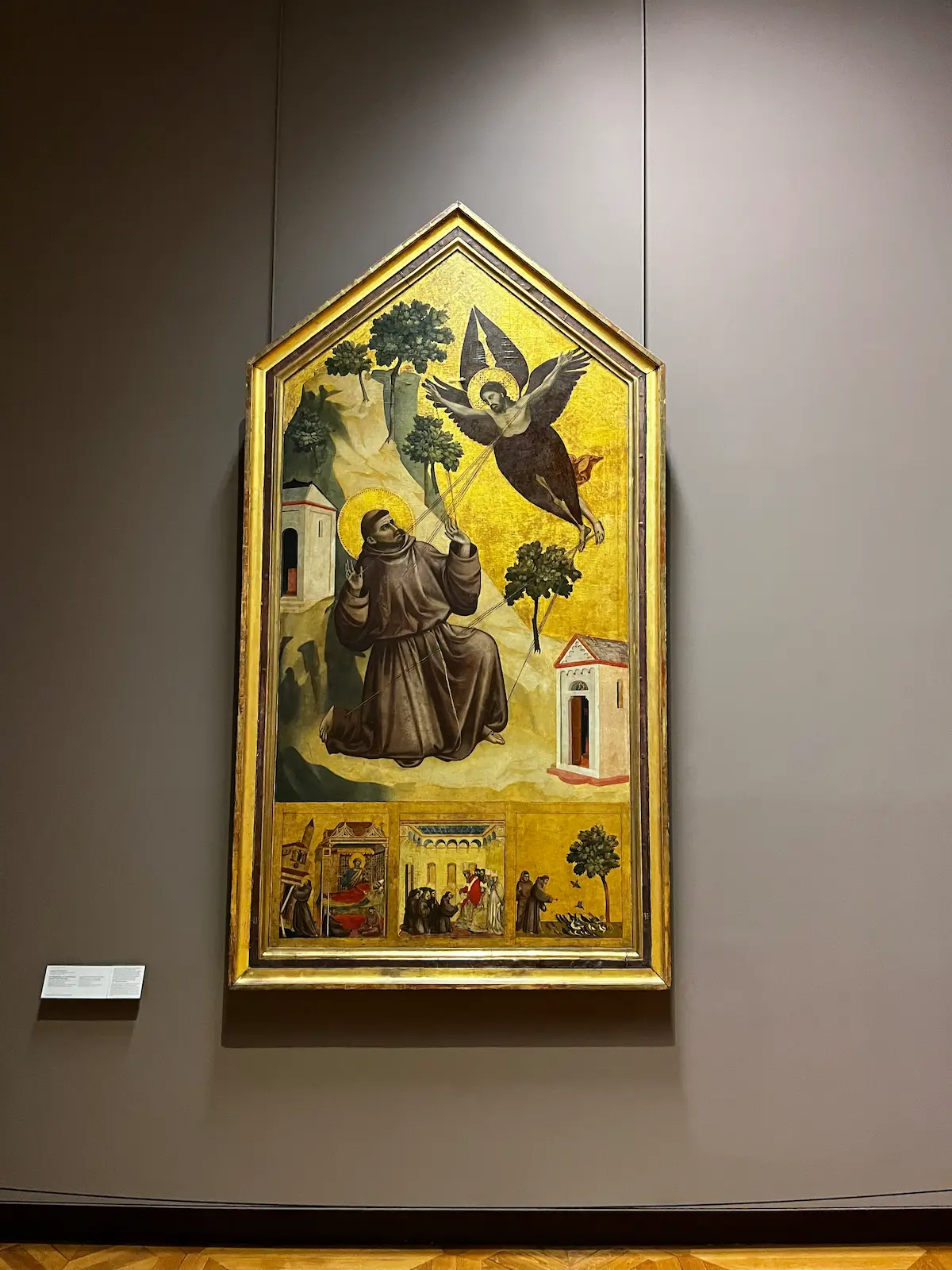
We begin where European painting begins, with Cimabue and Giotto, watching flat gold-ground panels give way to figures that stand in real space and seem to feel. From there the story gathers pace, through the hard clear light of Mantegna to the summit of the High Renaissance with Leonardo da Vinci and Raphael, and on to Caravaggio, whose raking light and deep shadow set European art on a new course.
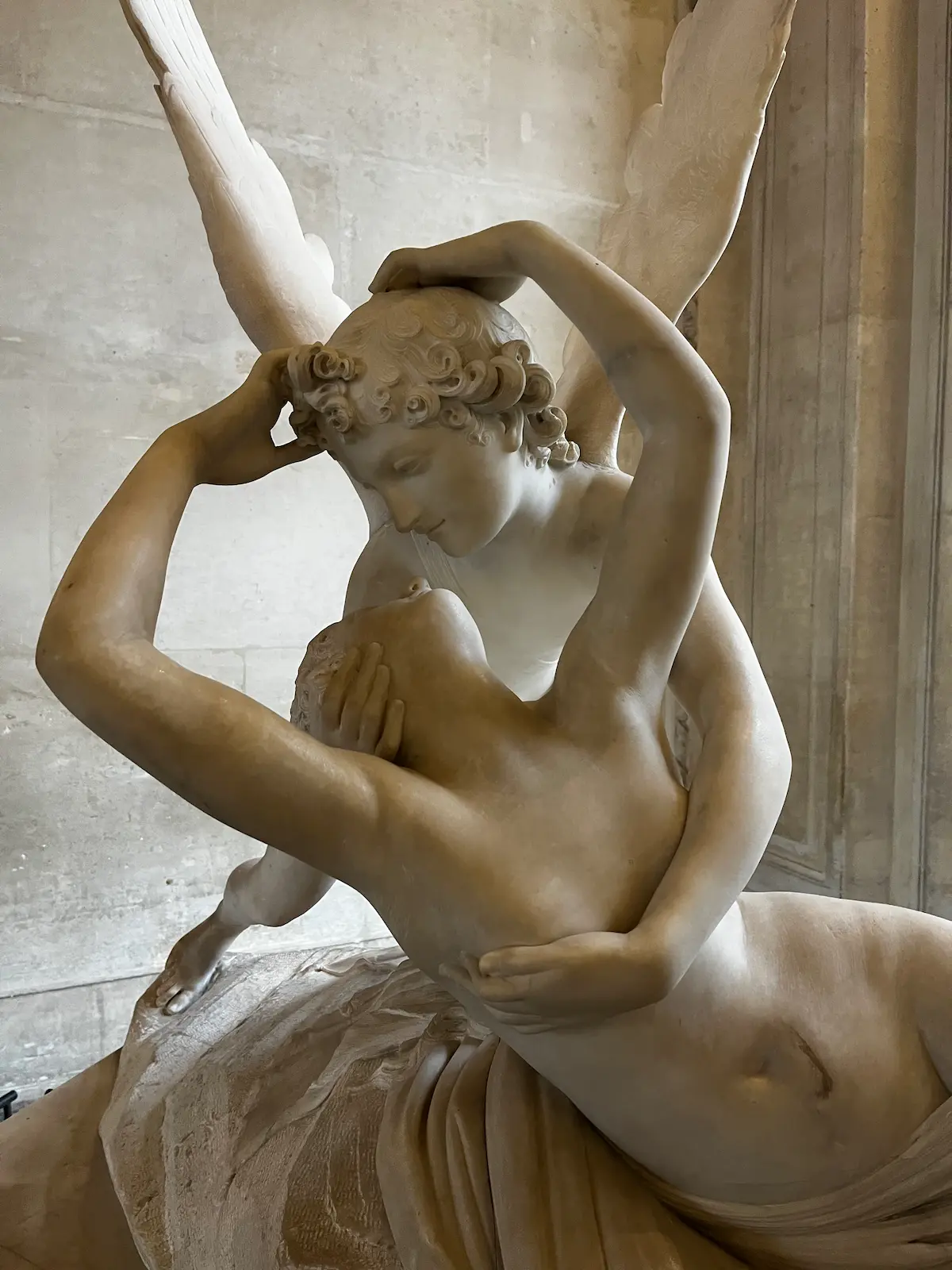
The masters were not only painters. A floor below the Grande Galerie, two quiet rooms hold Italian sculpture at its height, Michelangelo's unfinished Slaves and Canova's Psyche revived by Cupid's kiss. They sit only a few minutes from the paintings, and including them lets the Italian story feel whole rather than half told.
It suits beginners who want to understand why the Renaissance mattered and seasoned eyes returning to look more slowly. If a particular artist draws you, mention it when you enquire.
The primitives · the Renaissance · the Baroque
Pépin's advice
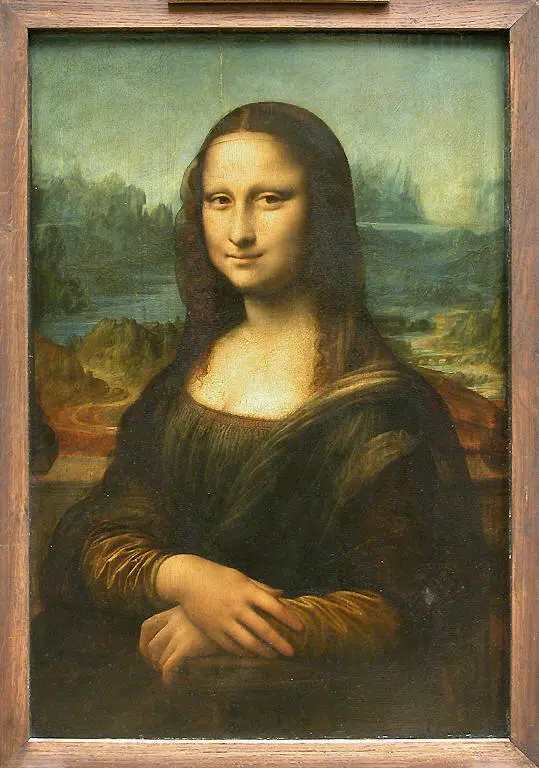
Don't rush to the Mona Lisa. She is not going anywhere, and the tour is built so that you reach her at the right moment, having understood everything that led to her. Arriving prepared is worth far more than arriving first.
It begins with the materials. These panels only reveal themselves once you understand the craft beneath them, the supports, the pigments, the gold, all worked by hand. The early masters worked in ways most visitors never imagine. The technique is an important part of the story, and we take the time to explain it.
Remember where they hung. None of these paintings was made for a museum. They were altarpieces above church altars, or treasures owned by princes, cardinals and kings, and picturing them in those rooms changes how you read them.
Good to know
The Louvre does not open every gallery every day. The museum is closed on Tuesdays, which is the only day this tour cannot run. Any other day works well. Very occasionally a room opens late, or not at all, for operational reasons the museum does not announce in advance. If that happens it is beyond anyone's control, and we simply turn to another part of the collection so your time is never lost. With more than thirty-five thousand works on display, the Louvre is never short of something remarkable, and a private guide can reshape the visit on the spot in a way a fixed group tour never could.