Van Gogh arrived in Auvers-sur-Oise on 20 May 1890, two months after leaving the asylum at Saint-Rémy, and he died here on 29 July. In a little over two months he produced one of the most concentrated bodies of work in the history of painting: the wheat fields, the church, the portraits of Doctor Gachet and the villagers, and the late landscapes that are now among his best known.
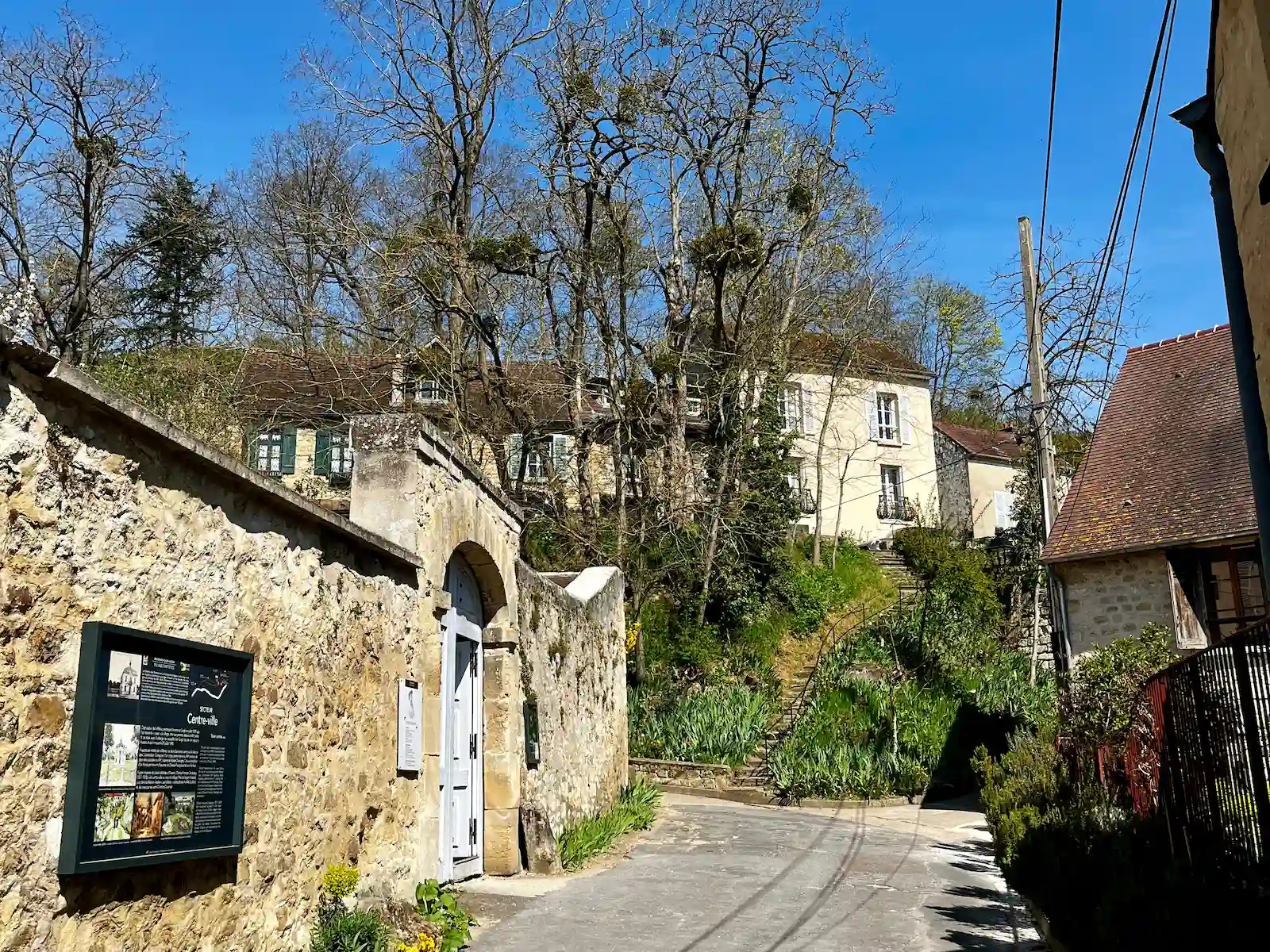
The village has changed very little. The church he painted still stands, the wheat fields above the town are still open, and the room at the Auberge Ravoux where he died can be visited. The cemetery where he lies beside his brother Theo is a ten-minute walk from the centre.
This tour is made for everyone, whether you arrive knowing Van Gogh's whole story or almost nothing of it. It is about understanding the paintings by standing in the very places where they were made, at the pace that suits you.
What you will see
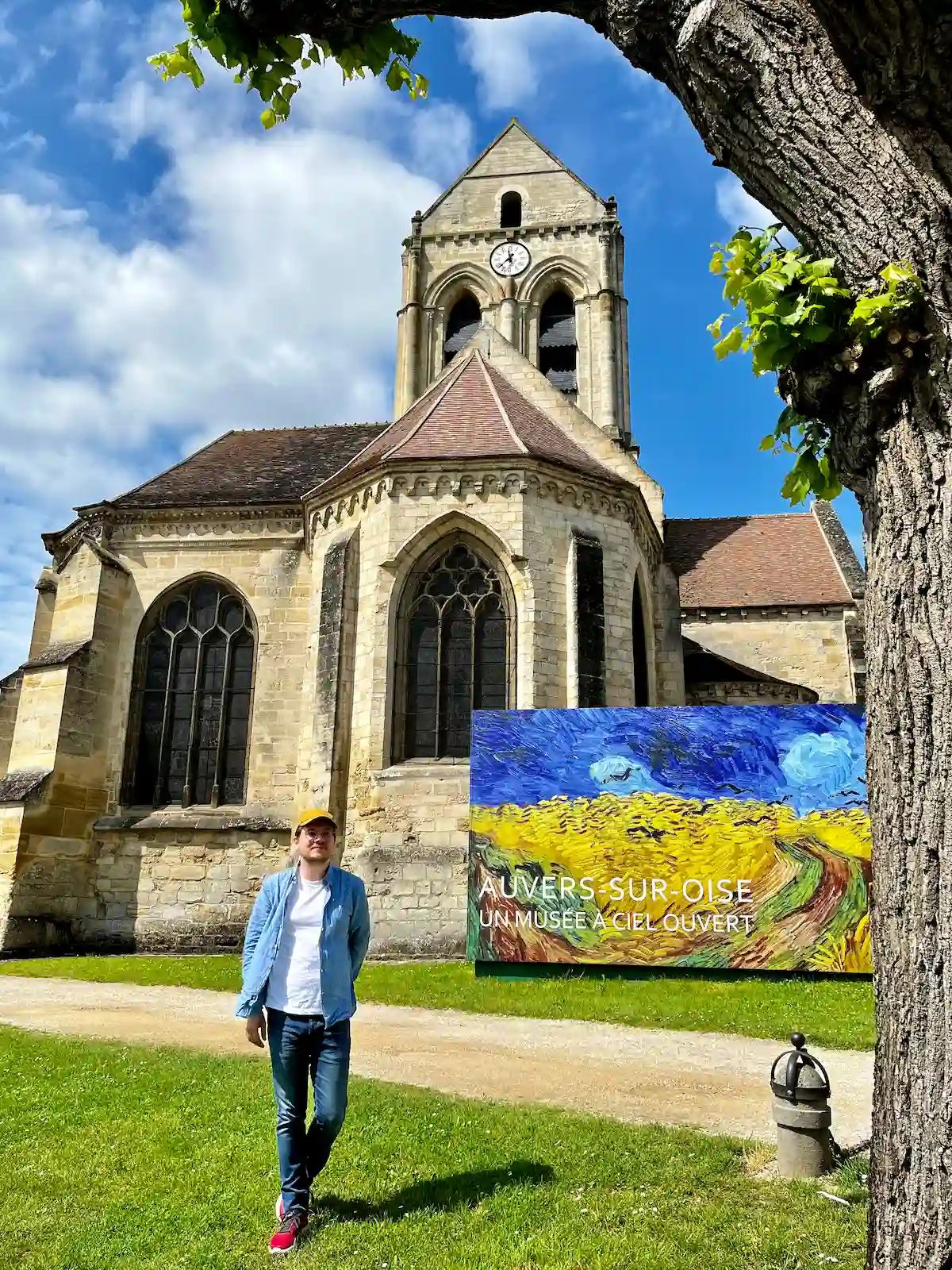
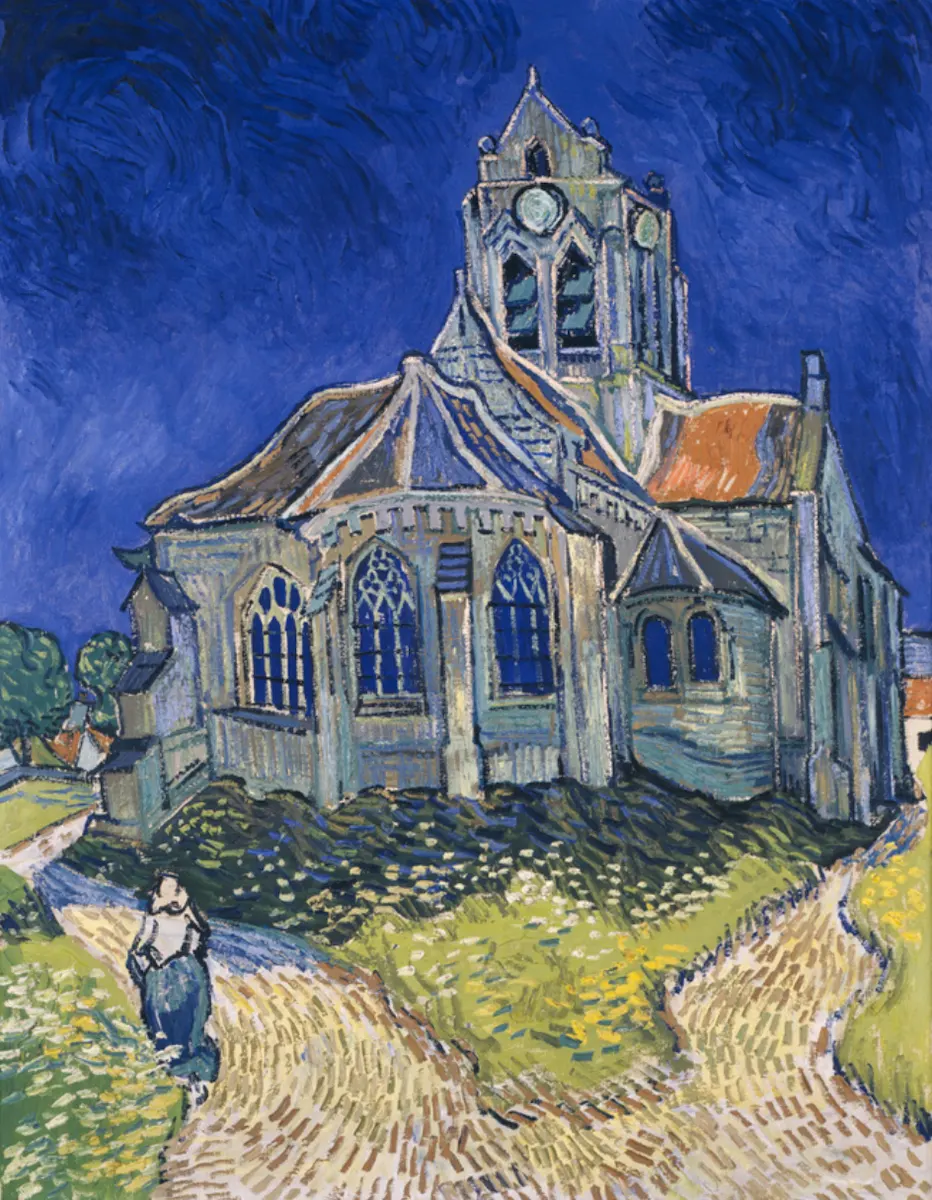
The village and the church. The Gothic church Van Gogh painted in June 1890 still stands at the top of the village. The canvas now hangs in the Musée d'Orsay, and standing in front of the real building, then picturing the painting, is one of the quiet pleasures of the day.
The wheat fields. Above the town lie the open fields that fill the late landscapes, including the stretch usually identified as the setting for his final wheatfield paintings. The light here, in the right season, is strikingly close to what he put on the canvas.
The last places. The Auberge Ravoux, where Van Gogh rented a room and died, has been kept as it was, and the room can be visited. A short walk away stand the house of Doctor Gachet, the physician who cared for him, and the cemetery where Vincent and his brother Theo lie side by side under a simple stone covered in ivy.
The final summer · Wheat fields and the church · A village kept as it was
Pépin's advice
On the season. The fields are at their best in late spring and early summer, when the wheat is high and the light is closest to the paintings. The visit works year round, but those weeks are the most striking.
On pairing it with the Musée d'Orsay. The church of Auvers and the portrait of Doctor Gachet both hang in the Musée d'Orsay. Many of our guests visit Auvers on one day and the Orsay paintings on another, so they can stand in the place and in front of the canvas within the same trip. We are happy to help you plan both.
On the walk. The village is small and easily covered on foot, but the climb to the fields and the cemetery is on a gentle slope, so comfortable shoes are worth bringing.
Good to know
We count Auvers as a full day, mostly because of the travel rather than the hours on the ground. Public transport works, around an hour and a half in each direction, but for a day like this we usually recommend a private driver. The drive is closer to forty-five minutes, you can rest along the way, and it lets you make the most of the car by combining Auvers with another site, Giverny or a Versailles half day for example. It makes for a long day, but a comfortable one, and a proper day out beyond Paris. We confirm the meeting point, the plan and the return time with you before the day.