Most visitors come for the Impressionists. They walk straight to the fifth floor, spend twenty minutes with Monet and Renoir, and consider the job done. This tour earns the paintings by taking longer to begin.
It also happens to be the only museum in the world inside a railway station. Trains once left from under that great glass roof, the clocks still tell the time, and the building has a way of stealing glances from the paintings.
The collection spans 1848 to 1914, the decades in which Western painting broke itself apart and put itself back together. Impressionism sits at the centre of that story but is not the whole of it, and the tour builds the context that makes those paintings legible rather than merely beautiful.
What you will see
Before the Impressionists. The tour begins with the painters who, one by one, pushed against the conventions of their time. Their work is what makes the break that follows legible, and it is the part almost every visitor walks past on the way upstairs. By the time we reach the Impressionists, you will know what they were reacting against and why it took courage.
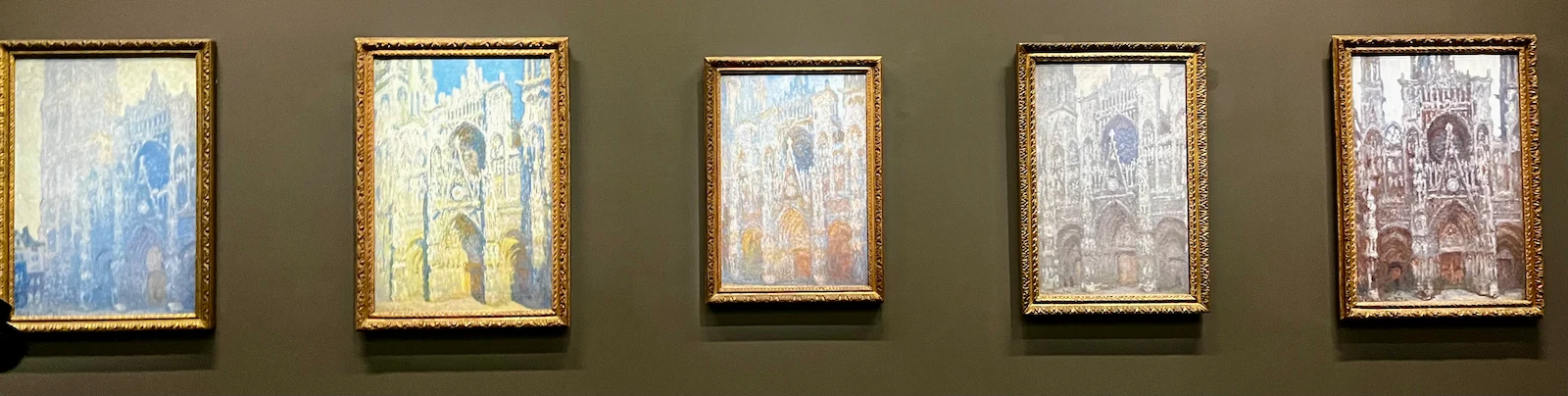
Impressionism, and what came after. The movement is shown as a whole and in its historical context, with the time to understand why it was so radical rather than simply agreeing that it is lovely. Beyond it come the Post-Impressionists, the painters who took Impressionism somewhere new and opened the door to everything that follows. The Orsay stops in 1914, right on the threshold: what happens next, Matisse, Picasso and the century they set off, belongs to the Musée d'Art Moderne, and the two tours fit together well.
The building itself. The Gare d'Orsay opened in 1900 and was nearly demolished in 1970. Its survival, and its conversion into a museum, is a story worth knowing, and it is written into every part of the space you walk through.
The train station · the Academy · Impressionism
Manet · Monet · Renoir · Van Gogh
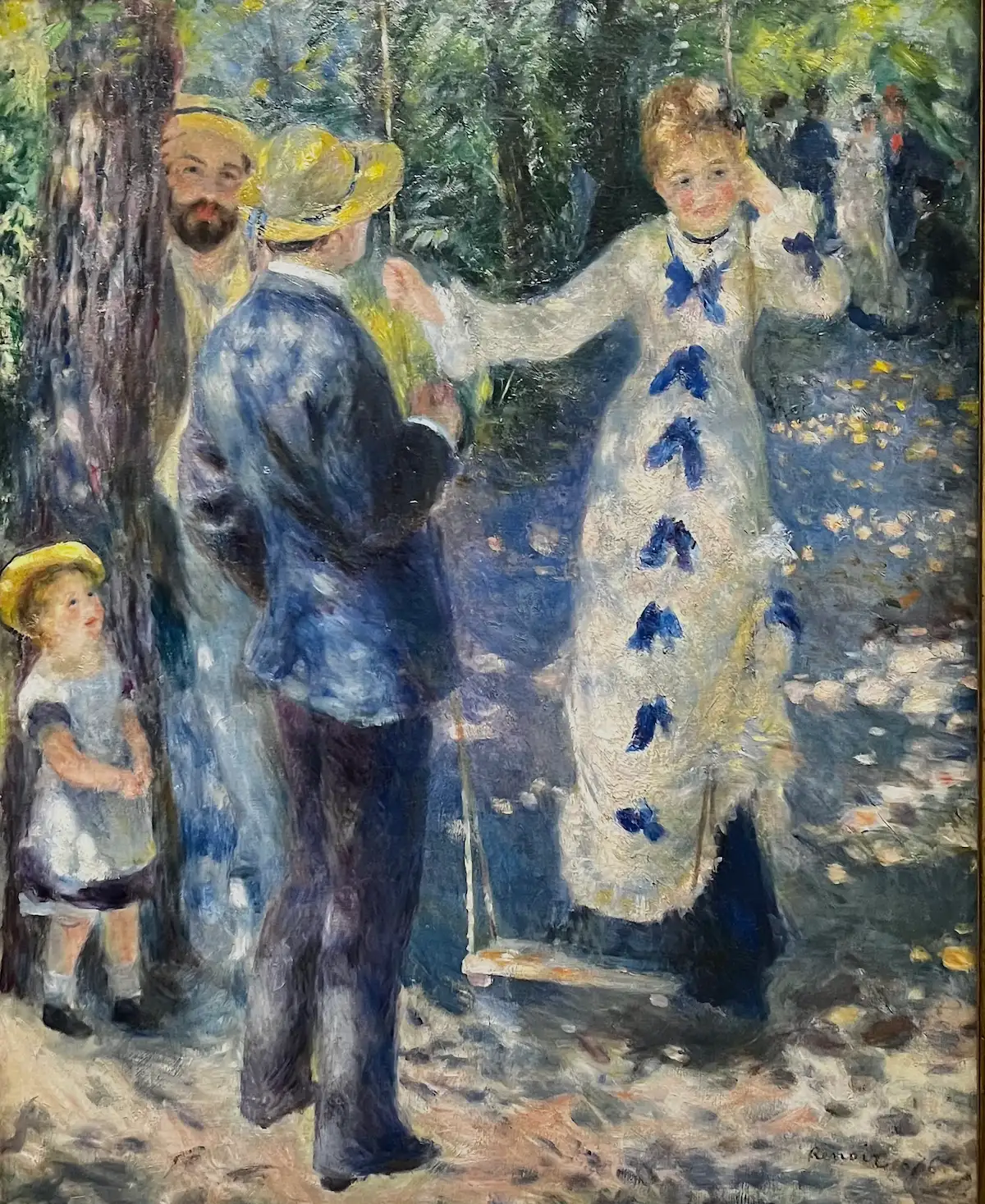
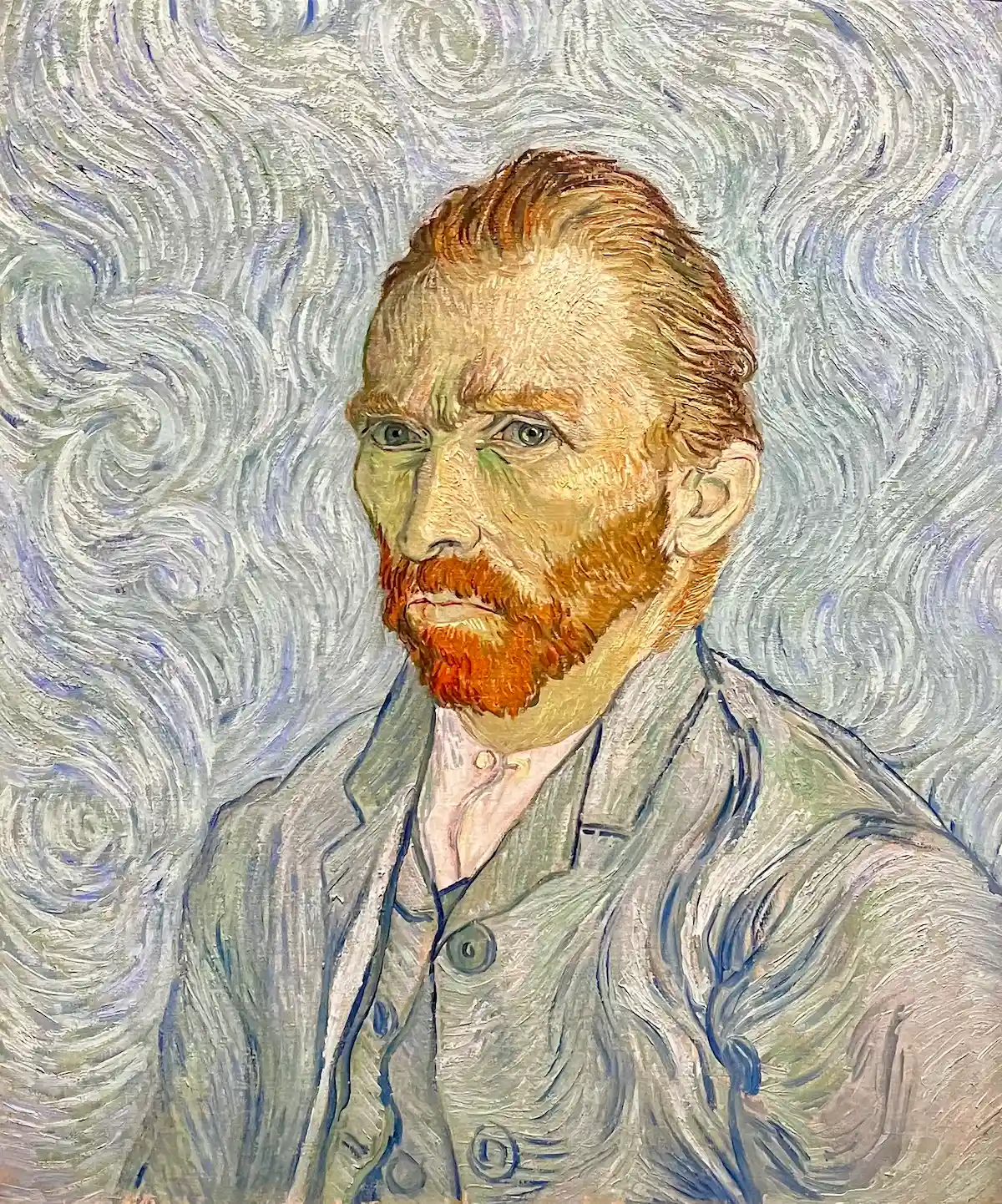
Pépin's advice
Allow an extra hour if you can. The tour covers the essential collection, but the Orsay has much more to offer, niche galleries, decorative arts, and architecture rooms that most visitors never reach. An extra hour after the tour is rarely wasted.
Temporary exhibitions are included with your ticket. The Orsay hosts some of the finest temporary shows in Paris. Worth exploring on your own after the tour, the collection will still be fresh in your mind, and the connections you will make are often surprising.
Avoid Tuesday mornings in high season. The museum is open, and we can absolutely tour on Tuesdays, but crowds peak at that time. If your schedule is flexible, another moment will be quieter.
Consider a Thursday evening tour. The nocturnal opening is one of the best-kept secrets of the Orsay. Fewer visitors, different light, and a completely different atmosphere. It also frees up your day for something else entirely, which in Paris is never a bad trade.
About the works
The Orsay is home to Delacroix, Ingres, Cabanel, Millet, Courbet, Manet, Monet, Renoir, Degas, Morisot, Pissarro, Sisley, Caillebotte, Van Gogh, Cézanne, Gauguin, Bernard, Seurat, Signac, and many more.
As it is a living museum where displayed works change on a weekly basis, we cannot promise a specific painting or a specific artist on any given day. What we can promise is that the walls will be full, and that nothing will be seen without understanding why it matters.