The Quartier Latin takes its name from the language its students spoke for six hundred years. Latin was the language of the university, of the church, and of anyone with a serious argument to make. The Sorbonne was founded in 1253. The neighbourhood it anchors has been thinking, arguing, and occasionally rioting ever since.
This is one of the oldest continuously inhabited parts of Paris, with a Roman past still visible beneath the medieval streets. It is also the neighbourhood most associated with the intellectual life of the twentieth century: existentialism, the Nouvelle Vague, the events of 1968. The walk traces all of it, on foot, at walking pace.
What you will see
We begin around the Sorbonne, the oldest university in France, still on the ground it has occupied since the thirteenth century, and look at what a medieval university actually was and how it shaped the streets around it. A short walk away stands the Panthéon, a building better read as a political argument than as architecture: who lies inside, who was refused entry, and how the answer changed with each regime. Beneath both, the Roman city is still legible, in the arènes de Lutèce and in the traces of Lutetia over which the medieval street plan was laid.
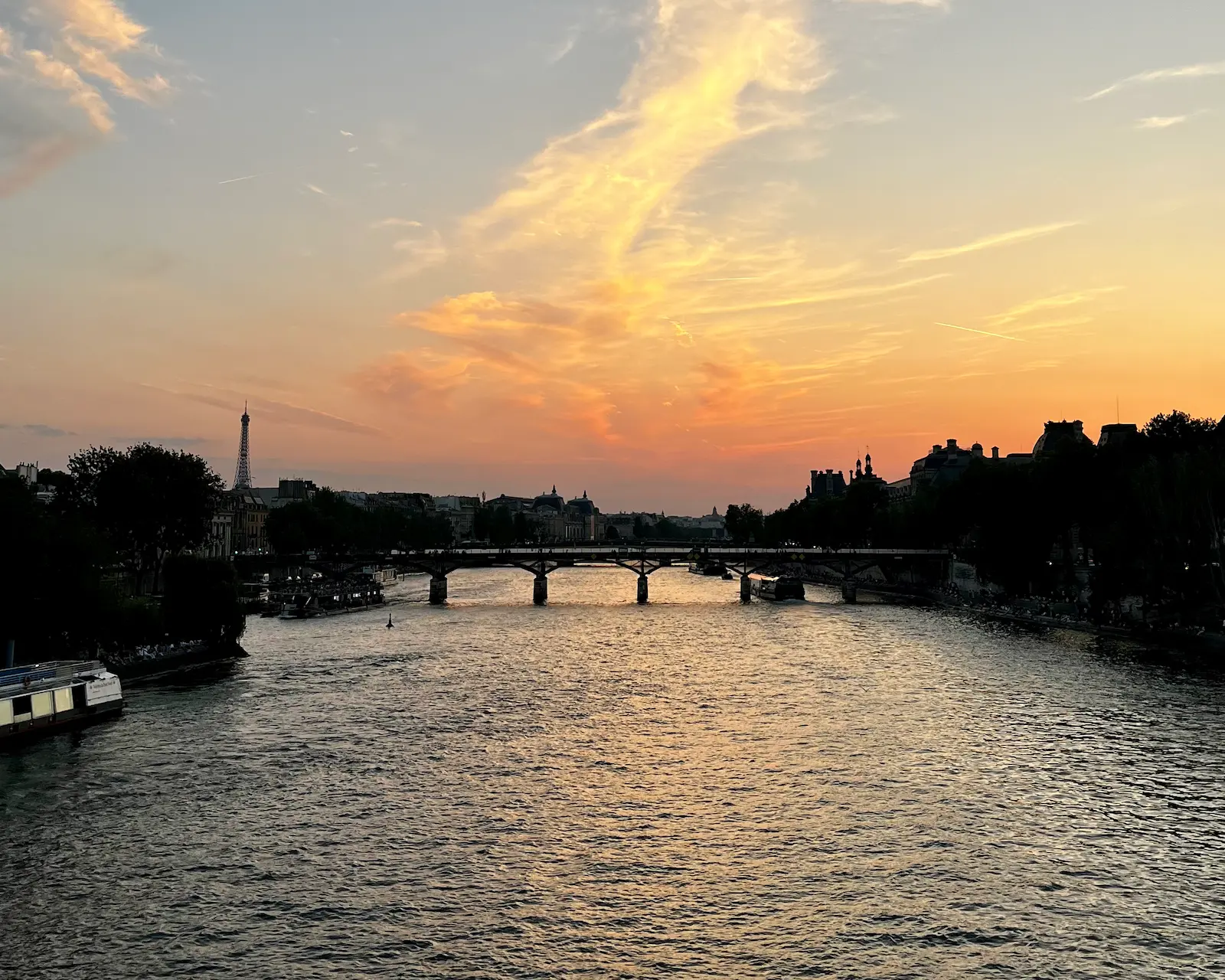
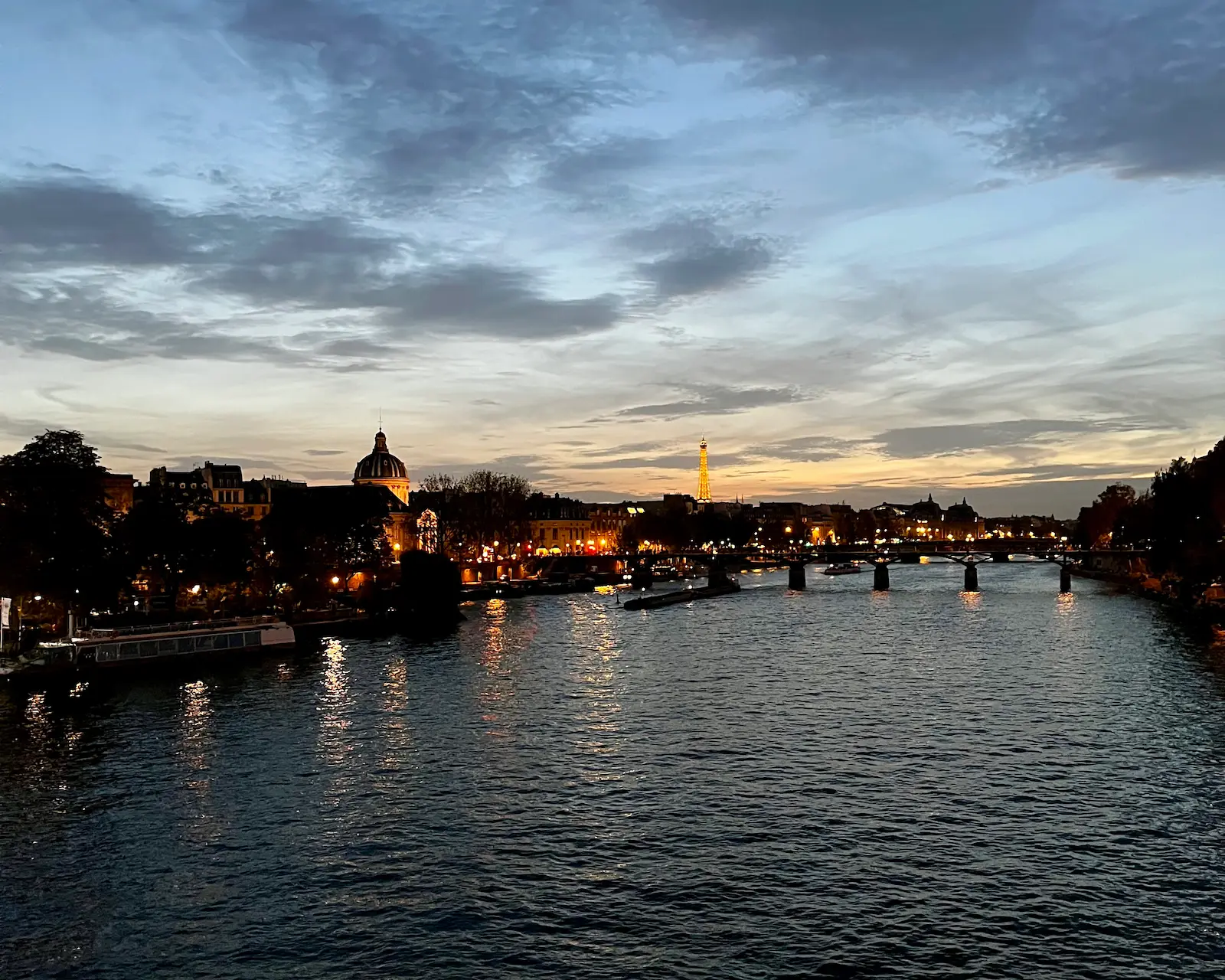
The walk then moves towards Saint-Germain-des-Prés, past the abbey and the cafés where existentialism was argued out in public, and we look at what survives of that intellectual geography and what has quietly become something else. Along the quais, the bouquinistes are still in place, the secondhand booksellers who have outlasted every attempt to move them on, and a reminder that this is the part of Paris where books have always been taken seriously.
The Sorbonne · the Panthéon · the bouquinistes
Pépin's advice
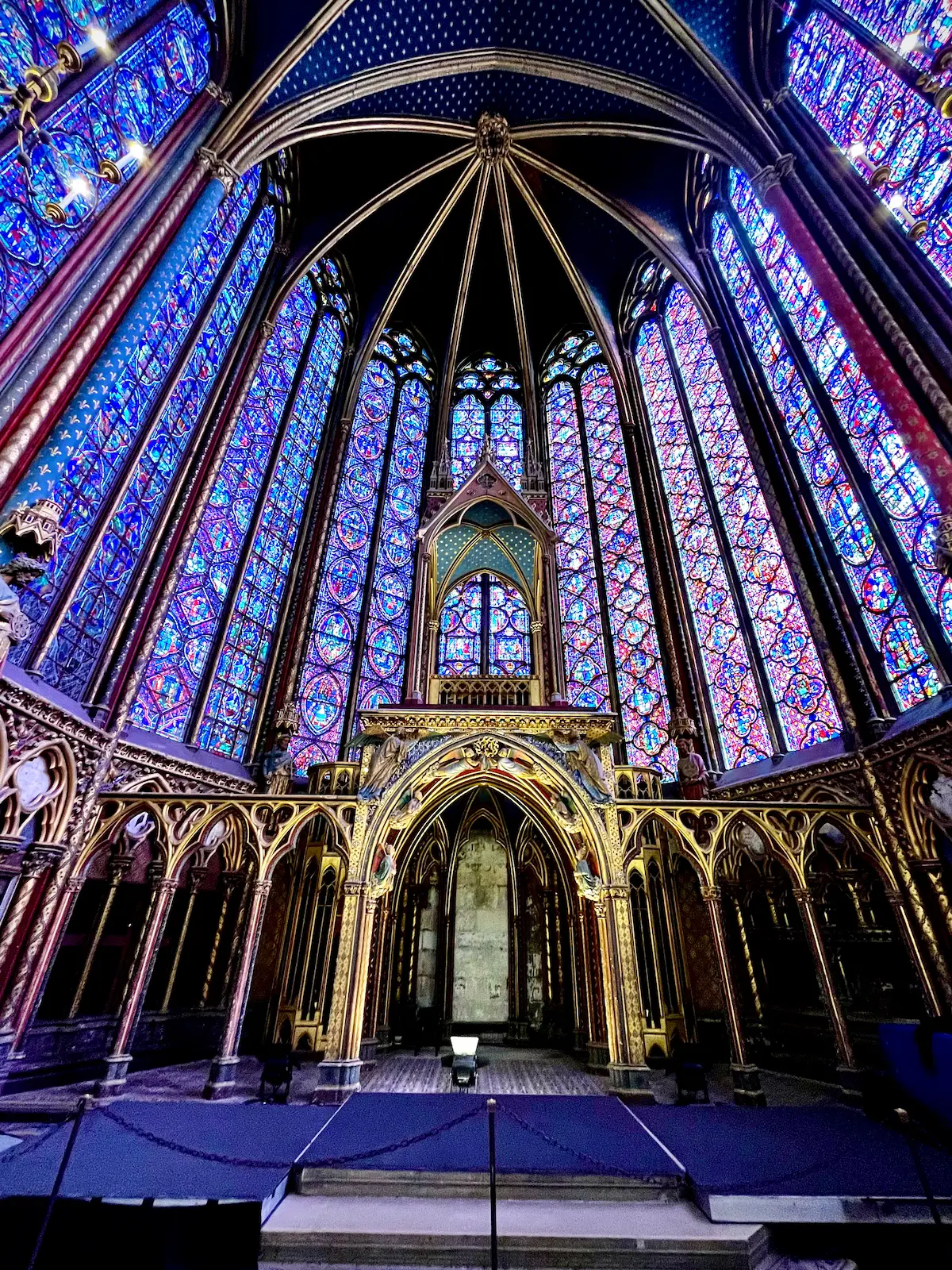
Cross the river. The Quartier Latin and the Île de la Cité are separated by ten minutes on foot. This tour pairs naturally with Notre-Dame and the Sainte-Chapelle if you want a full morning on the medieval city.
End at a café. Saint-Germain-des-Prés has cafés that have been serving the same role for eighty years. Sitting in one of them, after a morning on foot, is not a tourist activity. It is the point.
Good to know
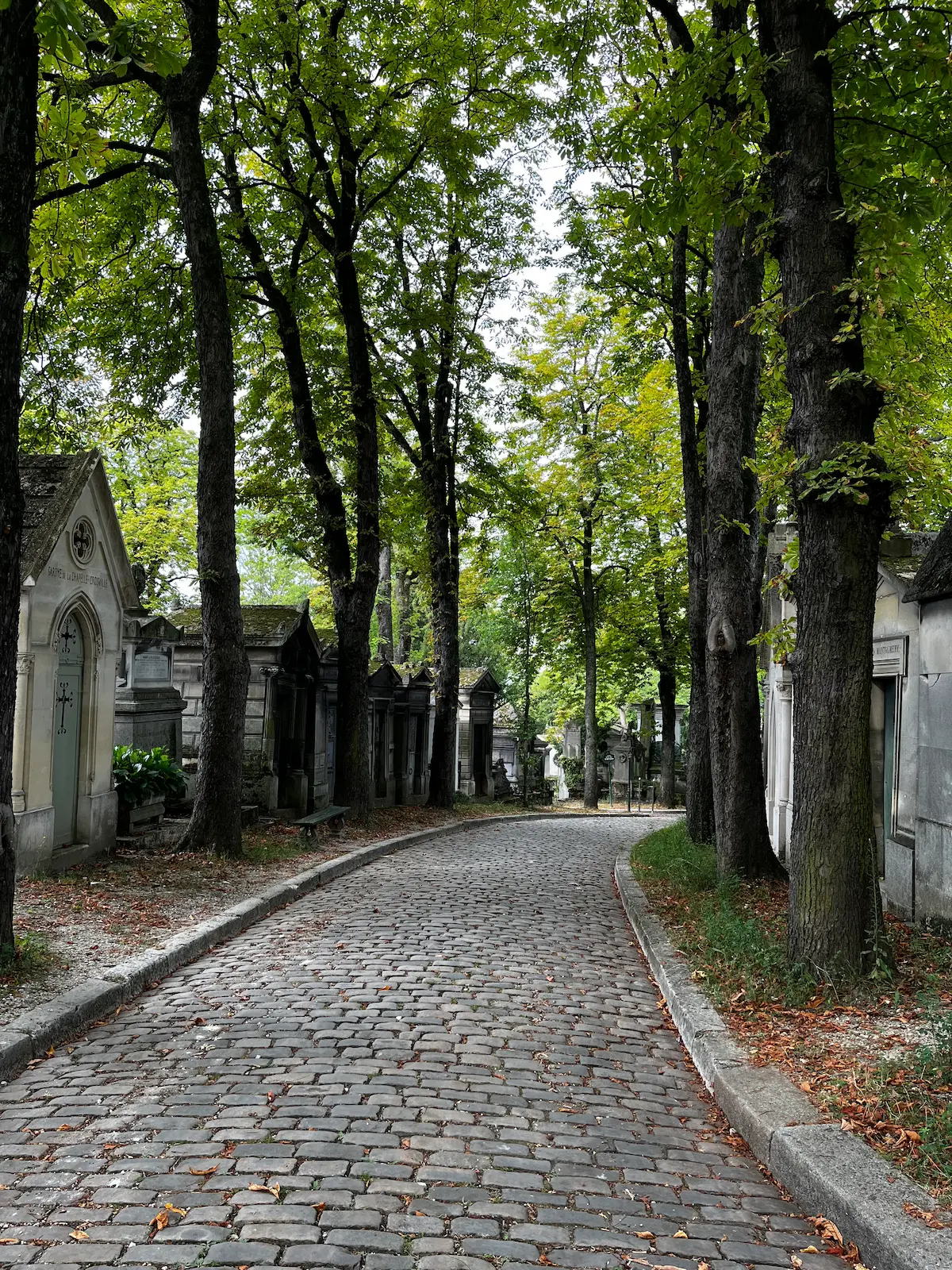
This is an outdoor walk on old streets, with cobblestones in places and few chances to sit along the way, so comfortable shoes make all the difference. By metro, line 10 reaches Cluny-La Sorbonne and line 4 Saint-Michel, and we meet at the Saint-Michel fountain on the boulevard Saint-Michel, facing the river. Any museum you choose to add keeps its own opening days, which we confirm with you beforehand.