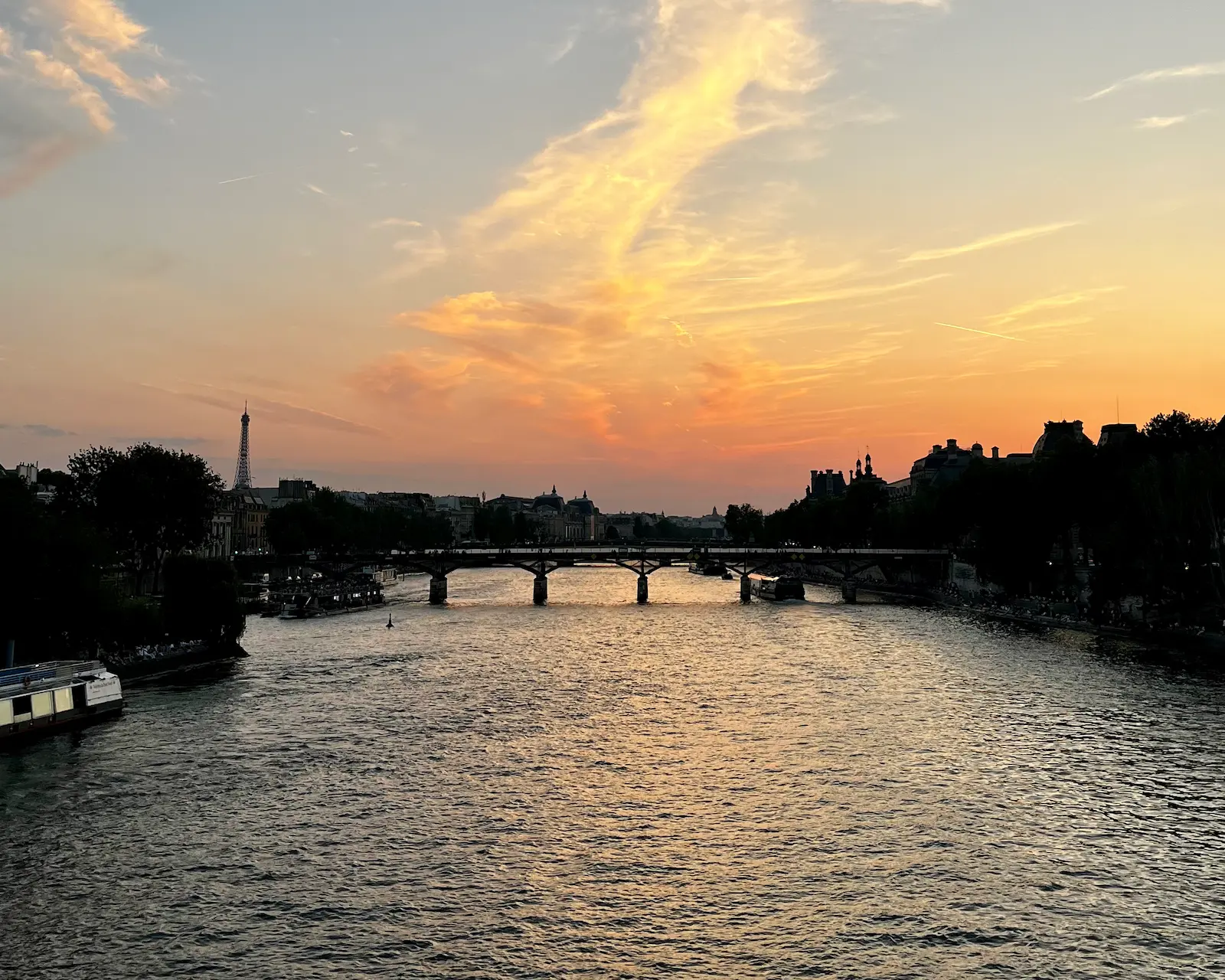
The Petit Palais was built for the Universal Exhibition of 1900, the same event that produced the Grand Palais across the street and the Pont Alexandre III beside it. The building is a masterpiece of Belle Époque architecture, with its ornate façade, its glazed central courtyard, and its frescoed galleries. The permanent collection is free.
The collection ranges from ancient Greece to the early twentieth century, but its strength is in the nineteenth century and the period around 1900: Gustave Moreau, Eugène Carrière, the Naturalists, the Symbolists, and a substantial collection of decorative arts from the period that, taken together, constitute the most complete picture of artistic Paris around 1900 available in a single building.
What you will see
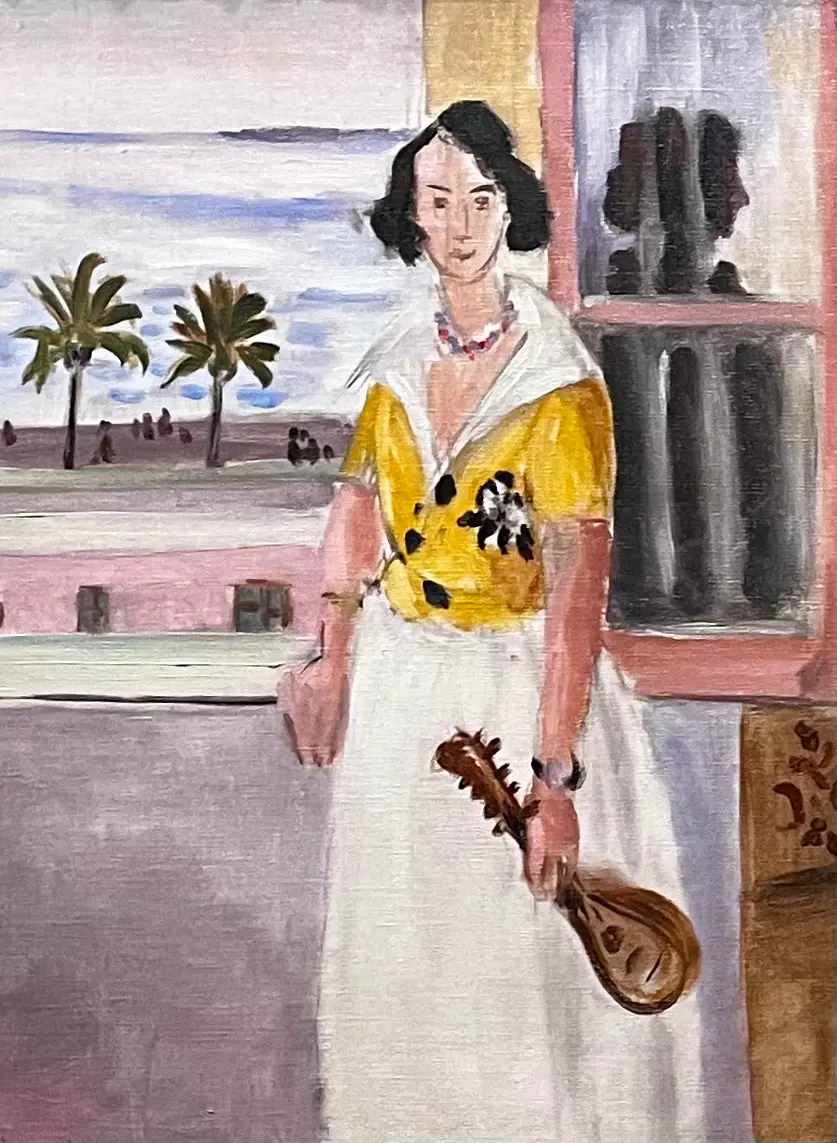
Paris around 1900. The strength of the collection is the moment the building was made for: paintings, sculpture and decorative arts from the years of the Universal Exhibition, held together in a way that few museums manage, so that a chair, a vase and a canvas can be read as parts of the same argument. The Symbolists are well represented, Gustave Moreau among them, which makes this a good introduction to a painter whose own studio-museum sits a few streets north.
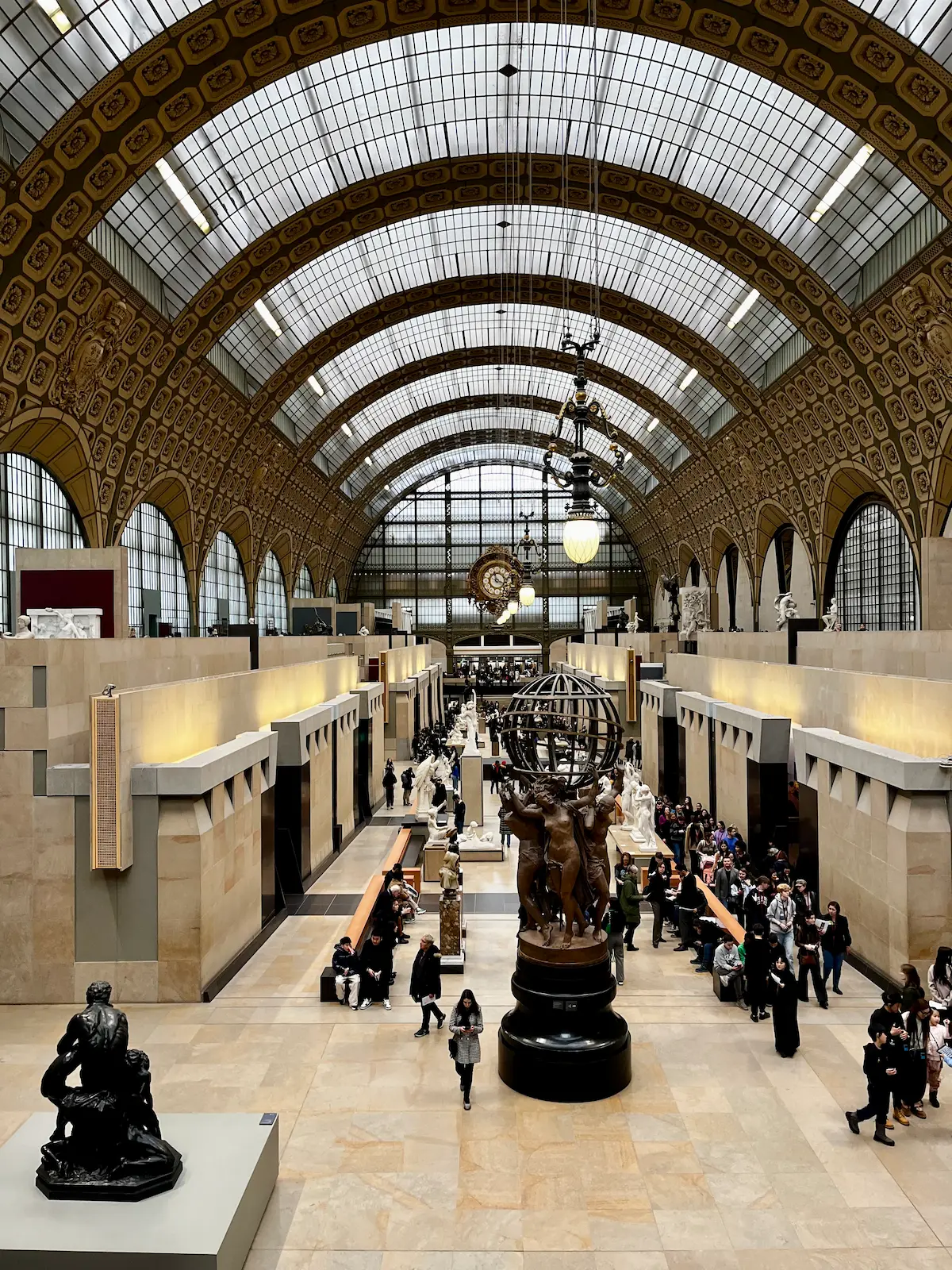
The building and what else it holds. The glazed central courtyard is one of the most beautiful interiors in Paris and almost always uncrowded, and the galleries around it keep their original frescoes. Beyond the Belle Époque rooms, the collection reaches back to ancient Greece, and there is a body of seventeenth-century Dutch and Flemish painting that most visitors walk past on their way to more familiar names.
The 1900 collection · the glazed courtyard · the Symbolists
Pépin's advice
Free entry does not mean it is empty. The Petit Palais has become much better known in recent years. Weekday mornings remain the best time to visit without crowds.
The courtyard café deserves a visit. The café in the garden courtyard is one of the pleasanter places to sit in central Paris. After the tour, it is the obvious place to stop.
Good to know
The museum closes on Mondays. The entrance is on the Avenue Winston Churchill, opposite the Grand Palais, a few minutes from Champs-Élysées Clemenceau on line 1 or 13, and we meet at the door. Temporary exhibitions here are ticketed separately from the free permanent collection, and works are occasionally moved for restoration or loan, so our guide will reshape the visit around what is on show.