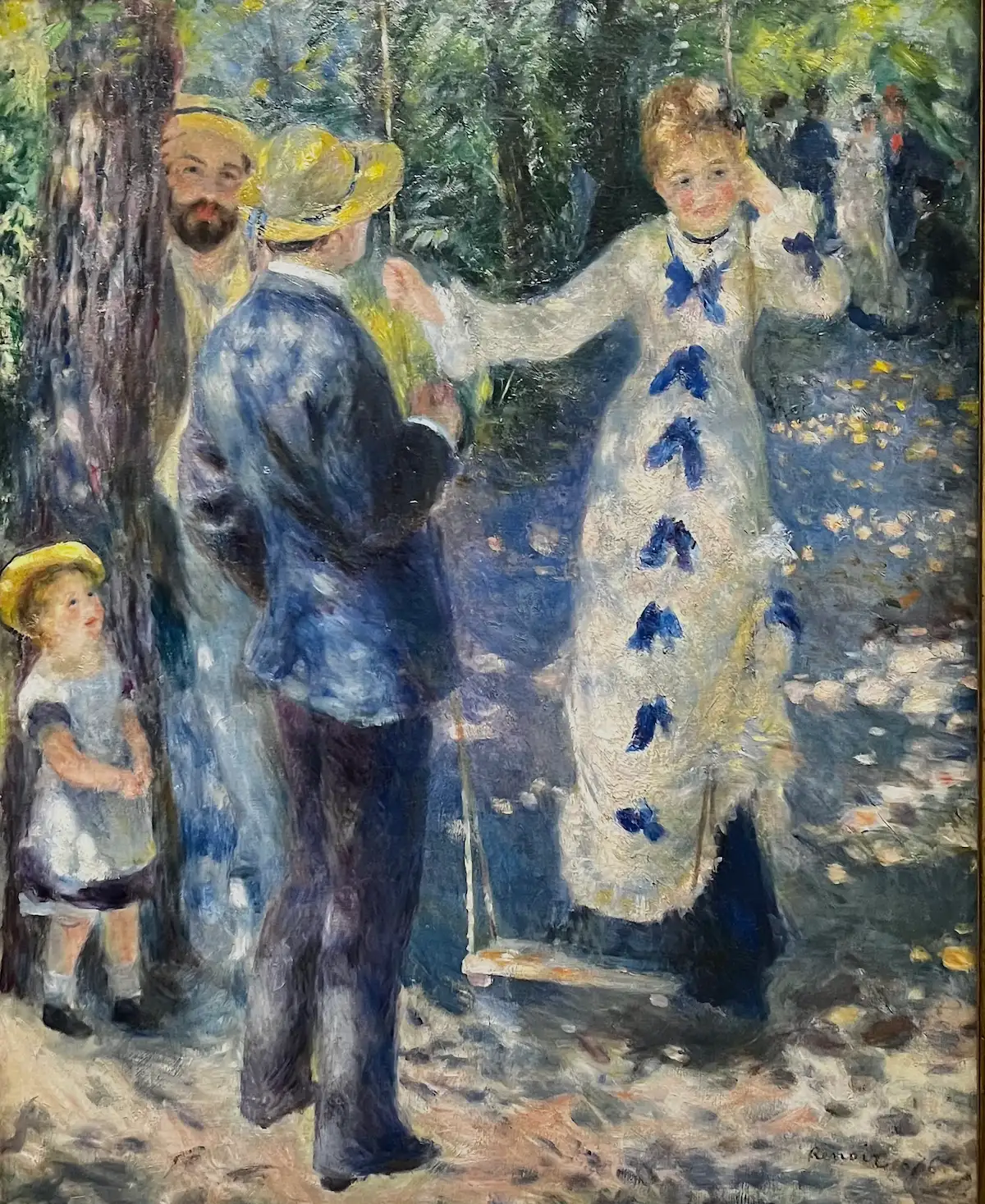
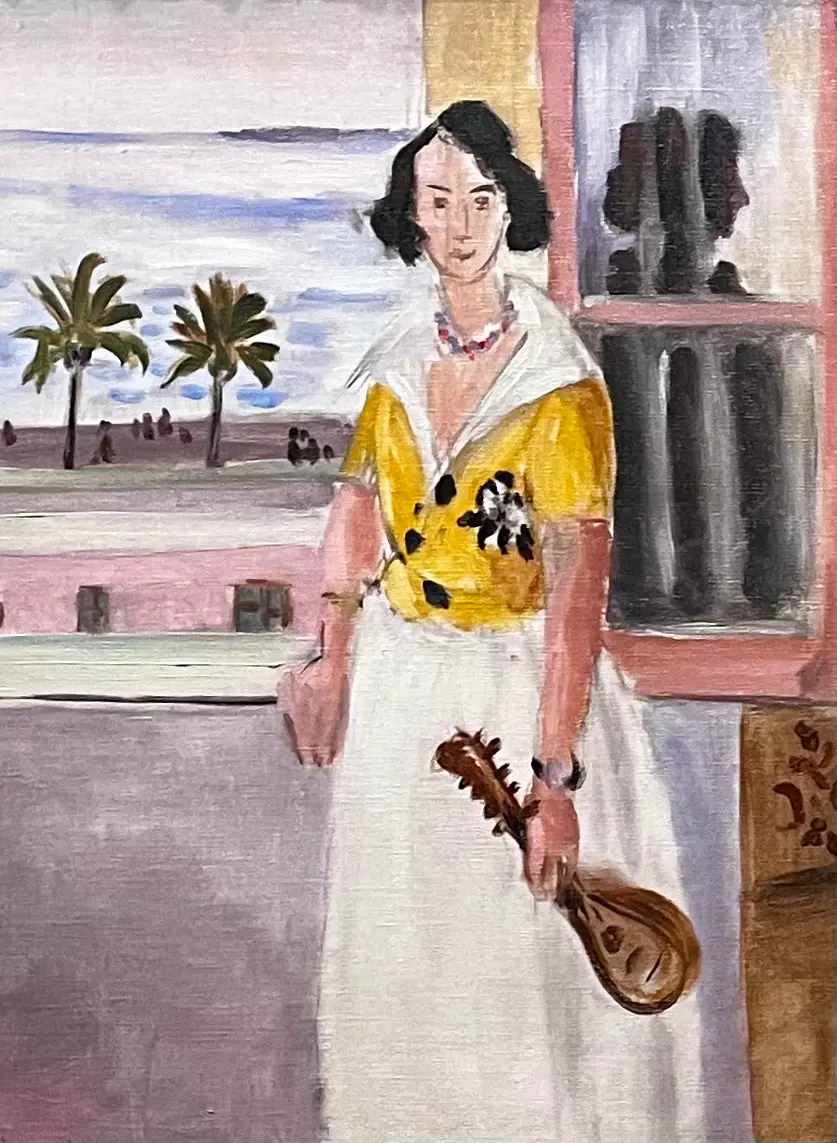
In 1874 a group of painters who could not get into the official Salon put on their own exhibition. A critic took the title of a Monet canvas, Impression, soleil levant, and used it as an insult. The name stuck, and the way we look at the world changed. Paris holds the whole of that story, from the first refused canvases to the vast water lilies Monet painted at the end of his life, and it can be followed in a single day.
Four places in Paris tell it: the Musée d'Orsay, the Musée de l'Orangerie, Marmottan Monet and Montmartre. A day holds three of them comfortably, and a day that tried to hold four would give you none of them properly. So you choose three, and we build the day around them.
What you will see
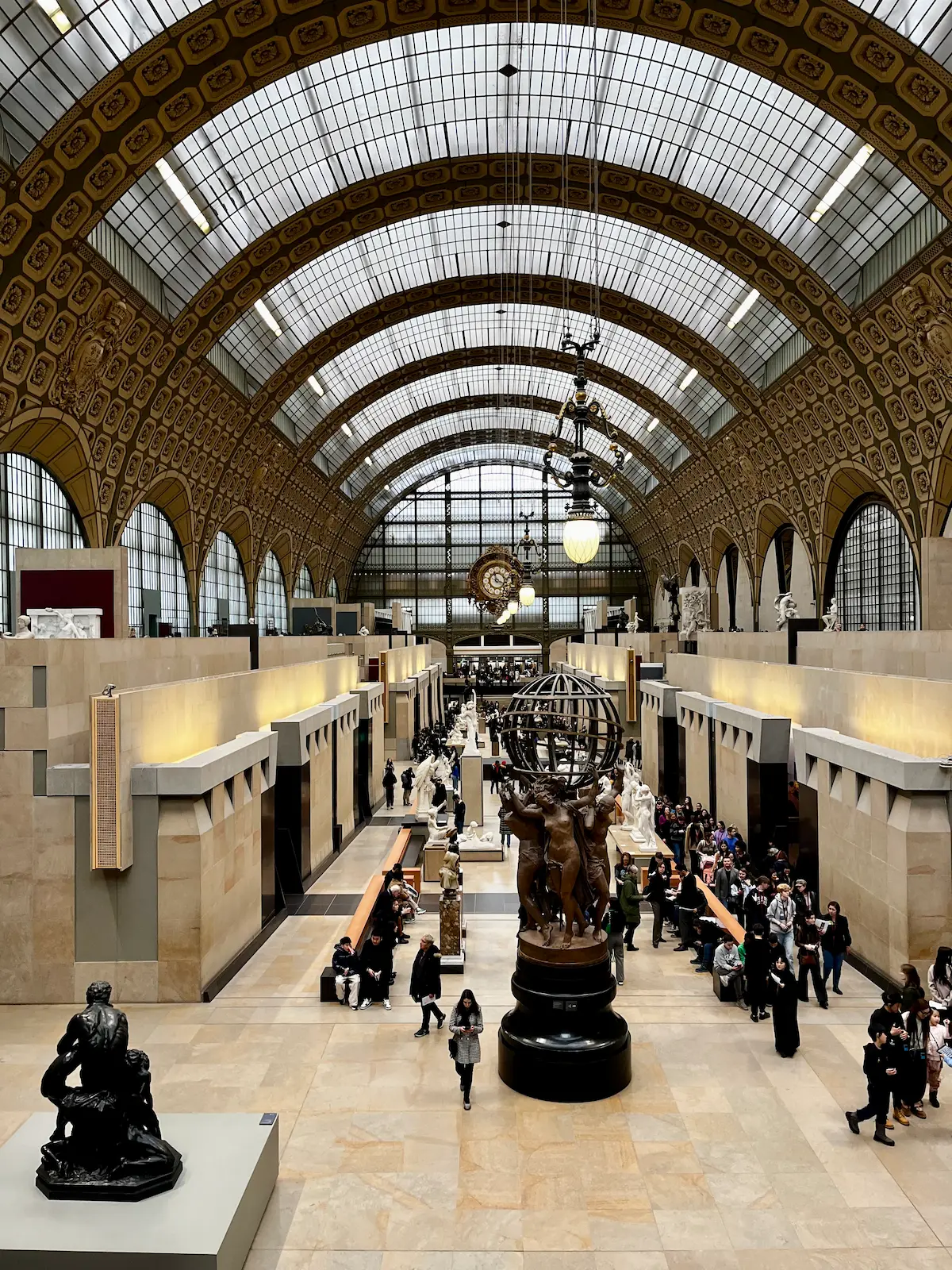
The Musée d'Orsay. The anchor of any Impressionist day, and the fullest account of the movement anywhere. Monet, Renoir, Degas, Morisot, Caillebotte, then Van Gogh and Cézanne carrying it somewhere else entirely, all of it in a railway station built for the World's Fair of 1900 and saved from demolition at the last moment. This is where the argument of the whole day is set out.
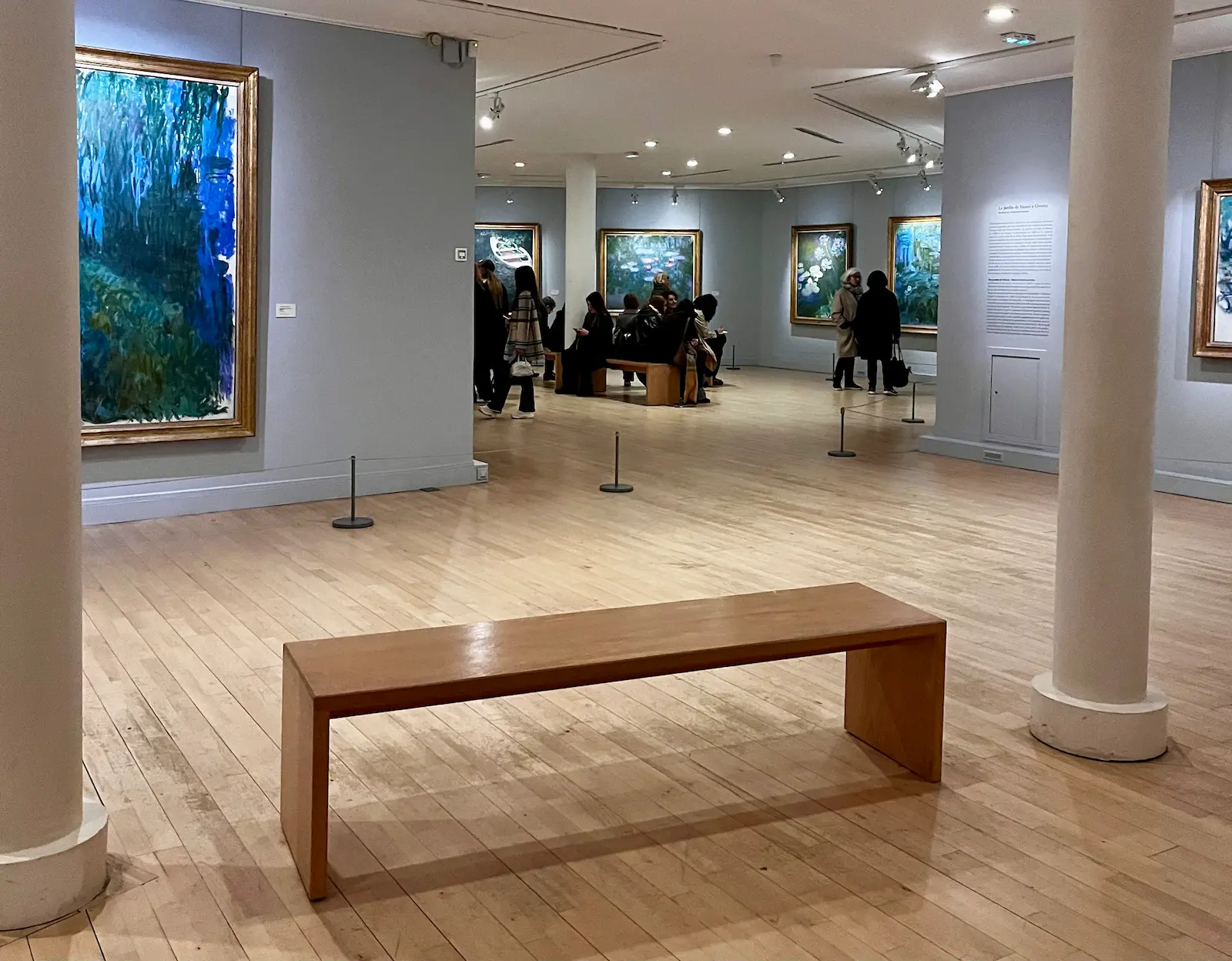
The Musée de l'Orangerie. Two oval rooms, built to Monet's own instructions, holding the Nymphéas he worked on for the last thirty years of his life. He gave them to the state the day after the Armistice, as a gift of peace. Downstairs, the Walter-Guillaume collection follows what came next, Cézanne, Renoir, Soutine, Modigliani.
Marmottan Monet. The largest collection of Monet in the world, including Impression, soleil levant itself, the painting that gave the movement its name. It is a quieter museum than the other two, and it holds the late work, the failing eyesight, the paintings that lean so far towards abstraction that a later generation claimed them.
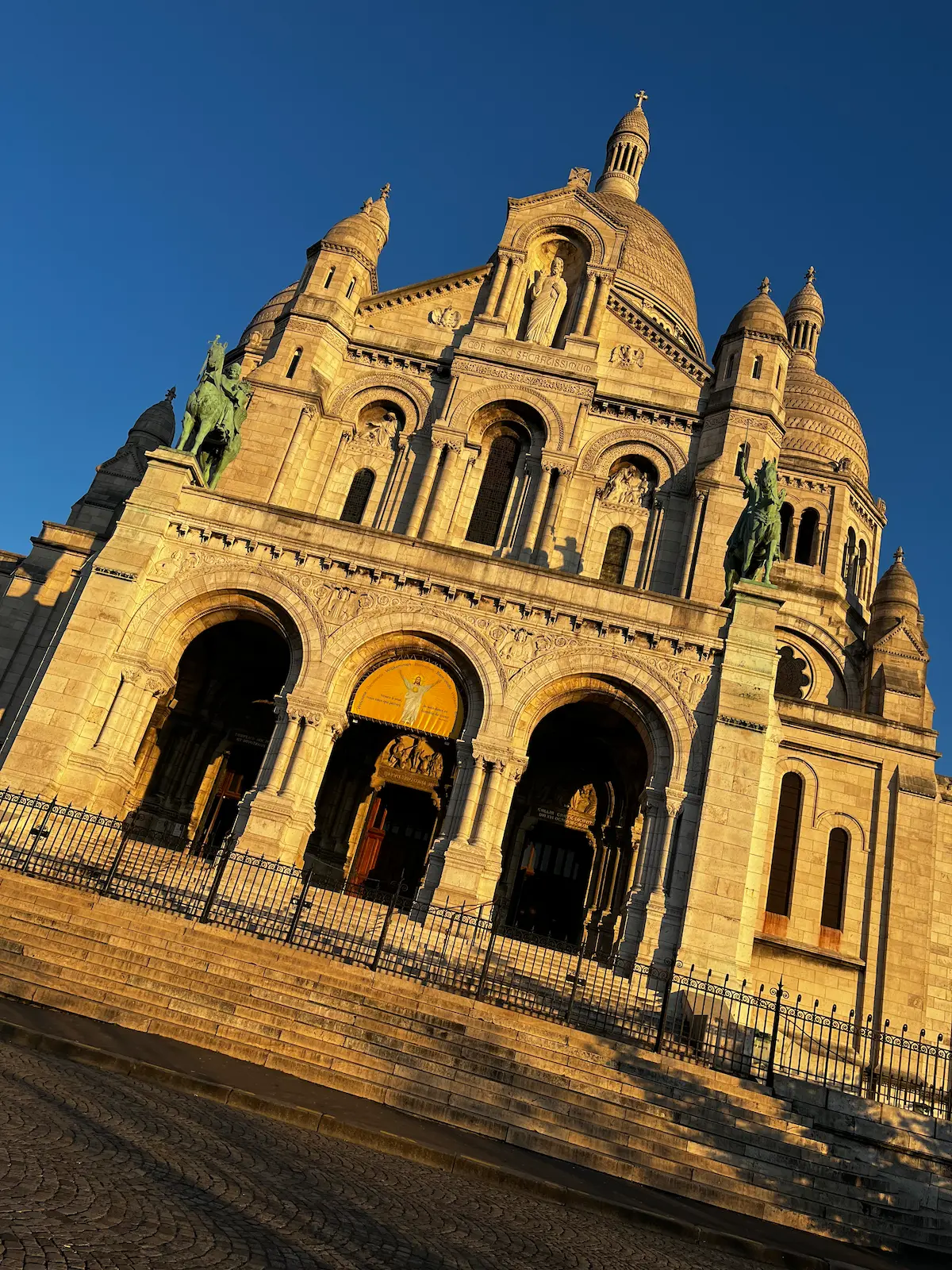
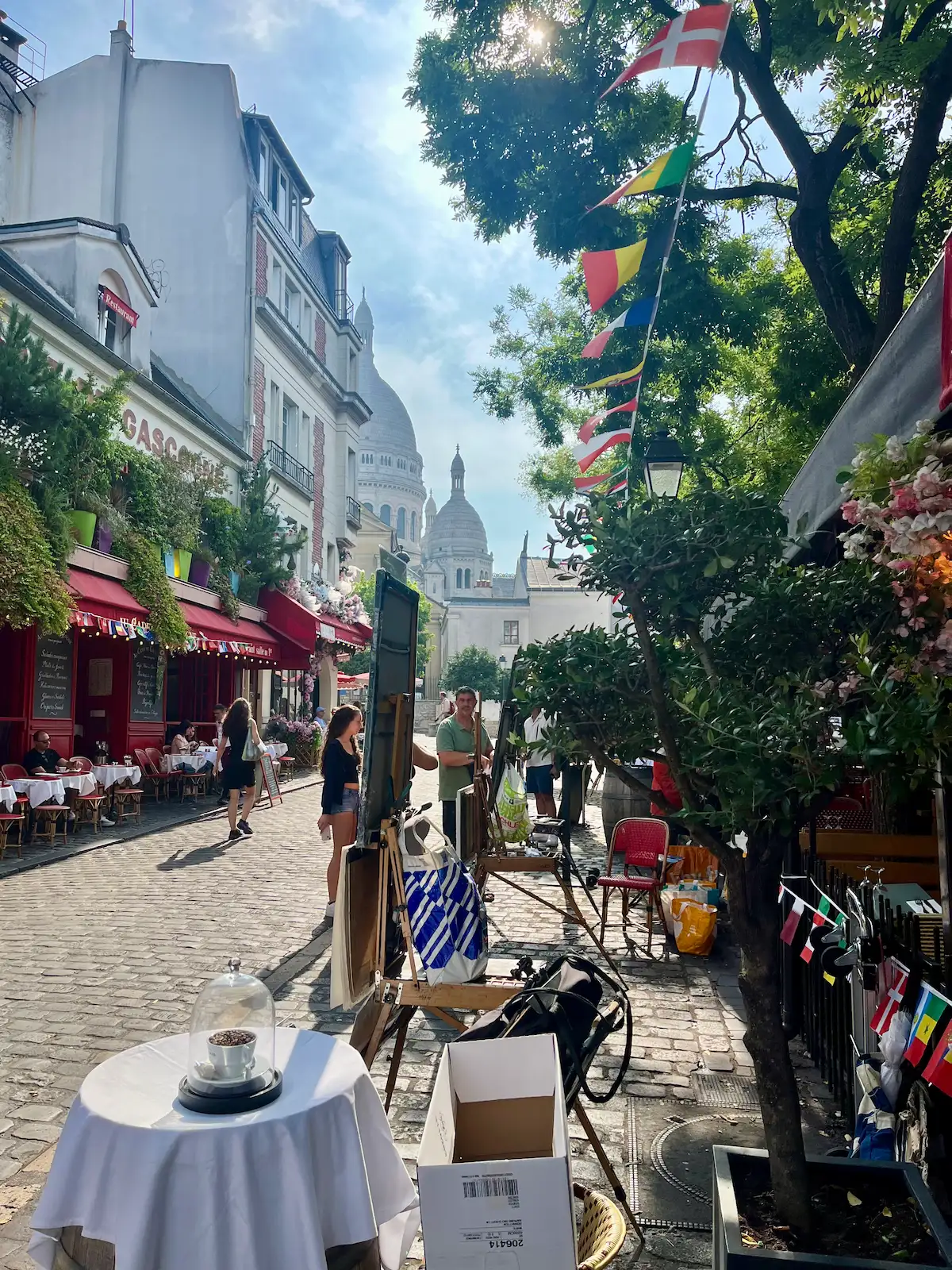
Montmartre. Not a museum but the ground itself. The hill where Renoir painted the Bal du moulin de la Galette, where the studios were cheap and the light was good, and where the vineyard and the last windmills still stand. The paintings of the morning acquire their streets.
Choose three of these four. Orsay is the natural anchor, and the other two are yours. If you are unsure, tell us what you already know and what you would like to understand better, and we will propose the combination.
Orsay · the Orangerie · Marmottan Monet · Montmartre
And what about Giverny
Giverny is the garden Monet built, and then painted for the rest of his life. The house, the Clos Normand, the Japanese bridge and the pond that became the water lilies. It is a genuinely moving place, and the question comes up on almost every Impressionist day.
We can arrange it, and we do. But we choose not to lead with it, and it is fair to say why. Giverny sits an hour and a quarter from Paris. Reaching it privately means a driver for the whole day, and the cost of the day rises sharply, well beyond what the same budget buys inside Paris. A good part of the time is spent travelling rather than looking. Set against three collections in Paris, chosen well and visited properly, the return is simply not as good, and we would rather tell you that than sell you the longer day.
If Giverny is what you came to France for, say so and we will build it, with one Paris museum on the way back. Otherwise our advice is to keep the day in the city. We are looking at a better arrangement for Giverny in 2027, and when it exists we will offer it properly rather than as an expensive add-on.
Pépin's advice
Start at Orsay. To our mind the Orsay is indispensable, and for any day that stays in Paris it comes first. It holds the largest collection of Impressionist and Post-Impressionist masterpieces in the world, and it sets out who these painters were, what they were refusing and what they were reaching for. Everything seen afterwards, in the Orangerie or at Marmottan, has somewhere to attach itself.
Marmottan is the connoisseur's choice. It is smaller, further out and much less visited, and it holds the painting the movement is named after. If you already know Orsay, this is the day to give it the time it deserves.
Mind the closing days. Orsay and Marmottan close on Mondays, the Orangerie on Tuesdays. There is always a way to build the day, but the combinations change through the week, and it is worth telling us early which places matter most to you.
The water lilies twice over. The Orangerie holds the great Nymphéas and Marmottan holds the late work that came out of the same pond. Seen on the same day, one explains the other, and neither needs a car.
Build it yourself. If you already know which three you want, the day builder puts them together in one go.