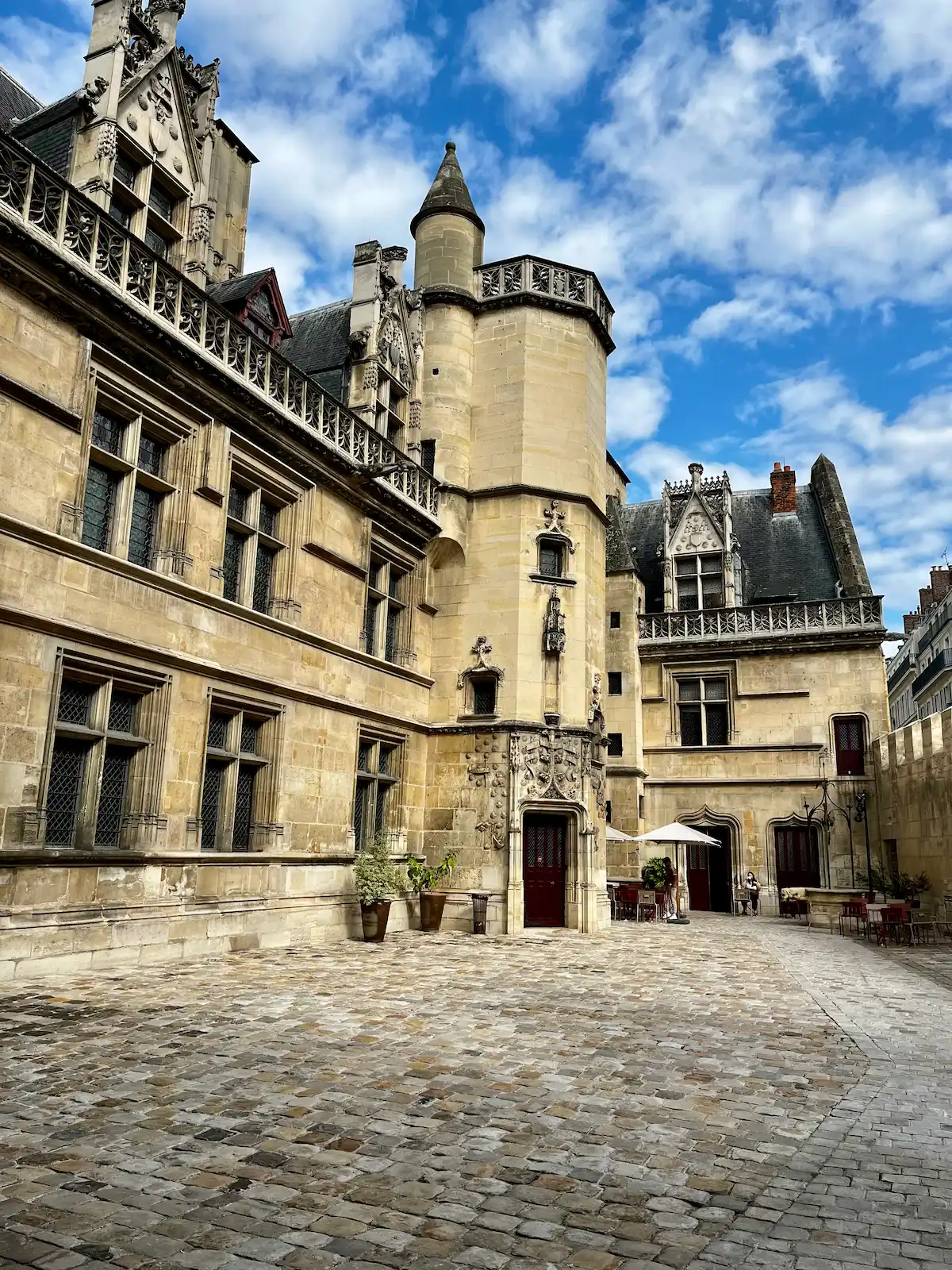
Cluny is the national museum of the Middle Ages, the one place in Paris given over entirely to the thousand years between the fall of Rome and the Renaissance. It occupies one of the strangest sites in the city: a medieval mansion built directly on top of Roman public baths. The frigidarium, the cold room of the baths, is still standing, its vaulted ceiling intact after two thousand years. The mansion above was raised in the fifteenth century by the abbots of Cluny. Together they make the museum before a single object goes on the walls.
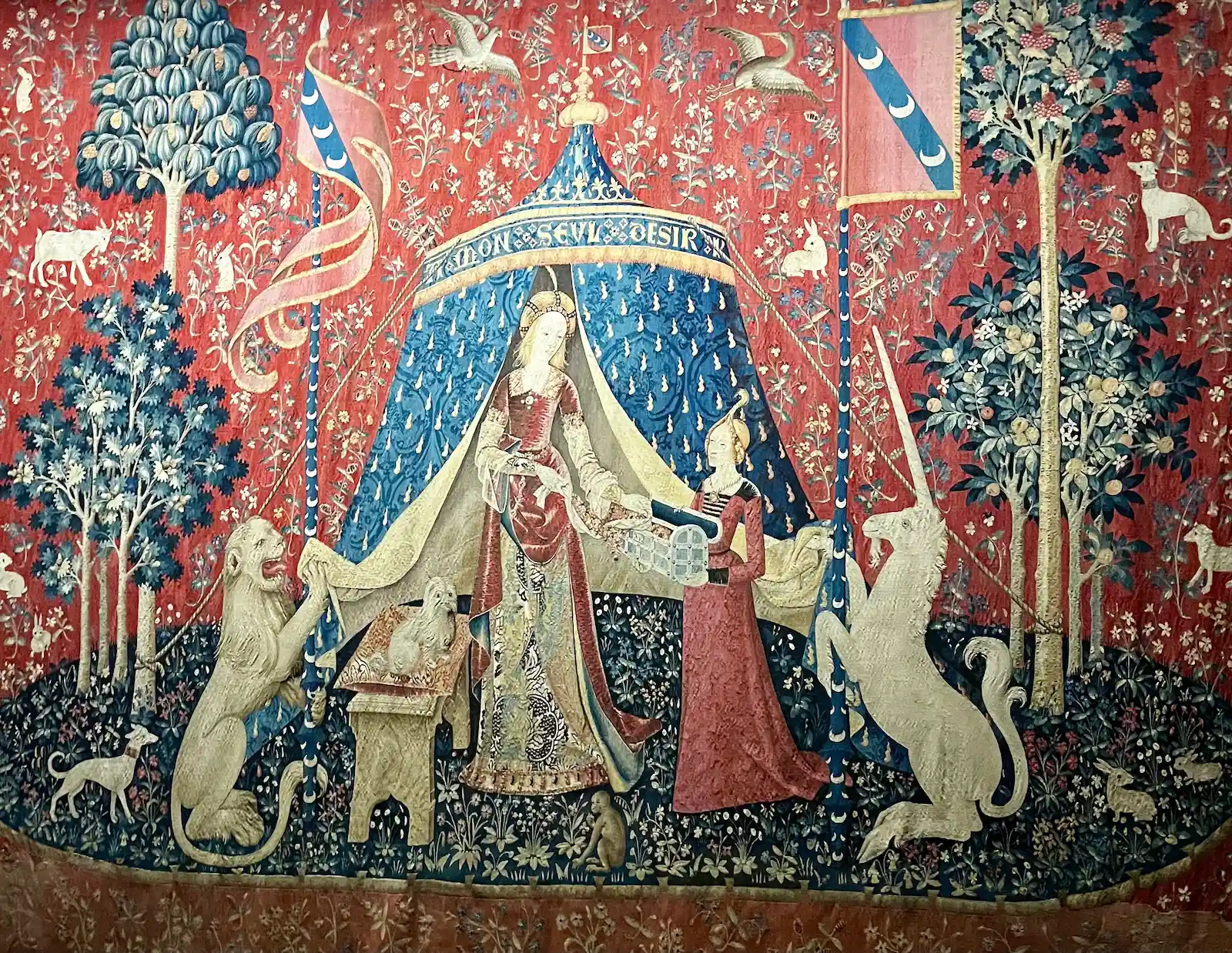
What follows is the Middle Ages in depth, with none of the usual compromises: carved altarpieces, illuminated manuscripts, stained glass, ivories, arms and armour, and an entire room of sculpture saved from the great churches. It is a period most visitors to Paris walk straight past, and an hour here is usually enough to change that. Its centre of gravity is the Lady and the Unicorn, six tapestries from around 1500 whose meaning, after five centuries, has still never been agreed upon.
What you will see
The Roman baths. Below the medieval mansion stands the frigidarium, the cold room of the Gallo-Roman baths of Lutetia, raised around the year 100 and still under its original vault two thousand years later. It is the oldest room in Paris you can walk into.
The Lady and the Unicorn. Six tapestries in wool and silk, woven around 1500, five of them given over to the senses and a sixth inscribed À mon seul désir, a phrase five centuries of scholarship have never settled. They are shown in a room built for them, and they are the reason most people come.
The heads of Notre-Dame. The gallery of stone kings whose heads were struck from the cathedral facade during the Revolution and rediscovered, by accident, beneath a Paris street in 1977. Traces of their original paint are still visible.
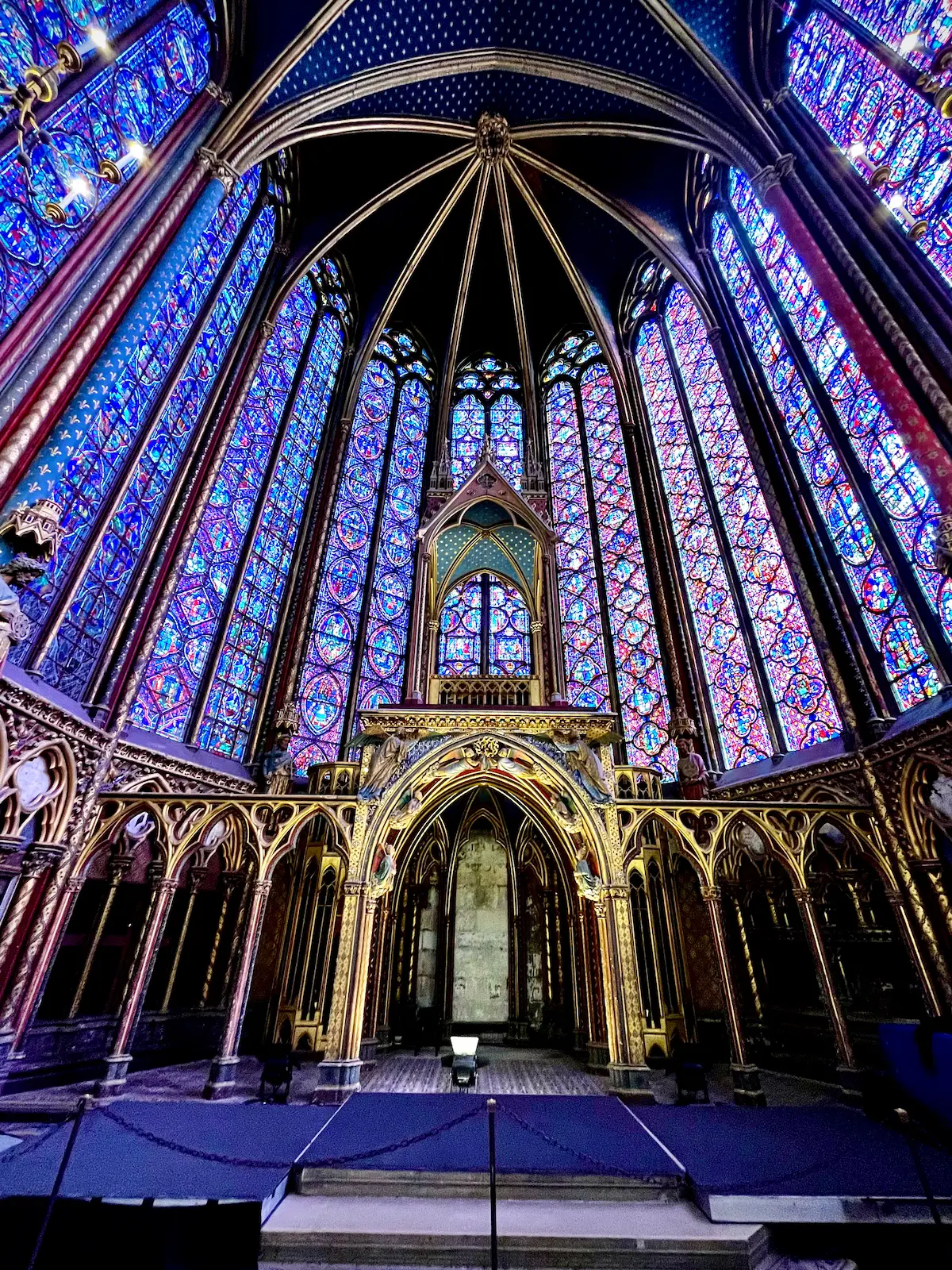
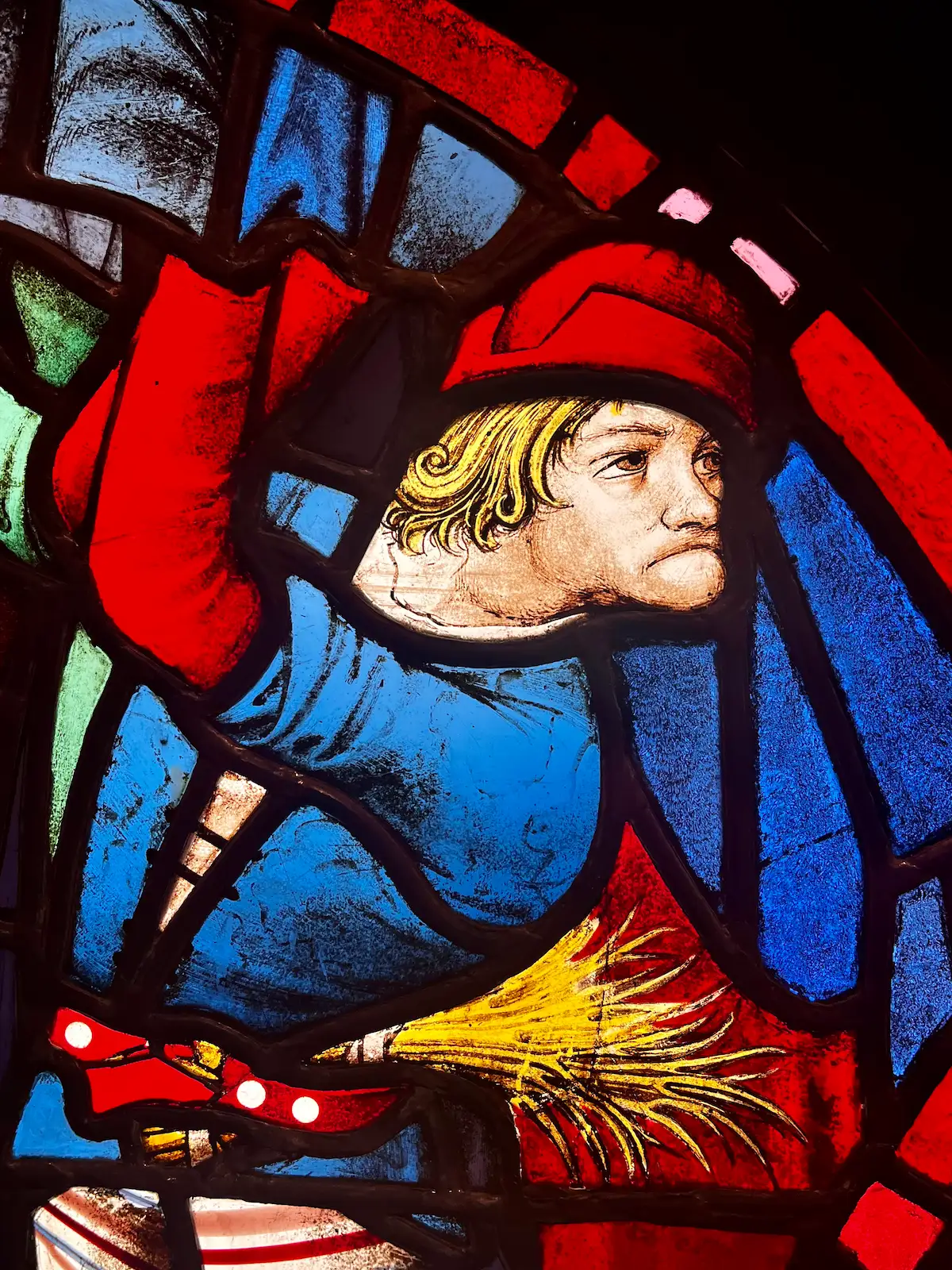
A thousand years of medieval craft. The Hôtel de Cluny is one of the last medieval mansions standing in Paris, and its rooms hold the rest of the collection, arranged century by century: the golden altar of Basel, a masterpiece of Ottonian goldsmithing from around 1020, stained glass taken from the Sainte-Chapelle, illuminated manuscripts, ivories and altarpieces, all of it made by hands we can still follow.
Roman baths · a thousand years of the Middle Ages · the unicorn tapestries · a medieval mansion
Pépin's advice
Start downstairs. The frigidarium is in the basement, and most visitors walk past it because they turn right at the entrance. Turn left, and begin two thousand years before the rest of the collection.
Give the tapestries time. The room that holds the Lady and the Unicorn was built to be taken slowly. They reward sustained attention in a way that very few museum objects do.
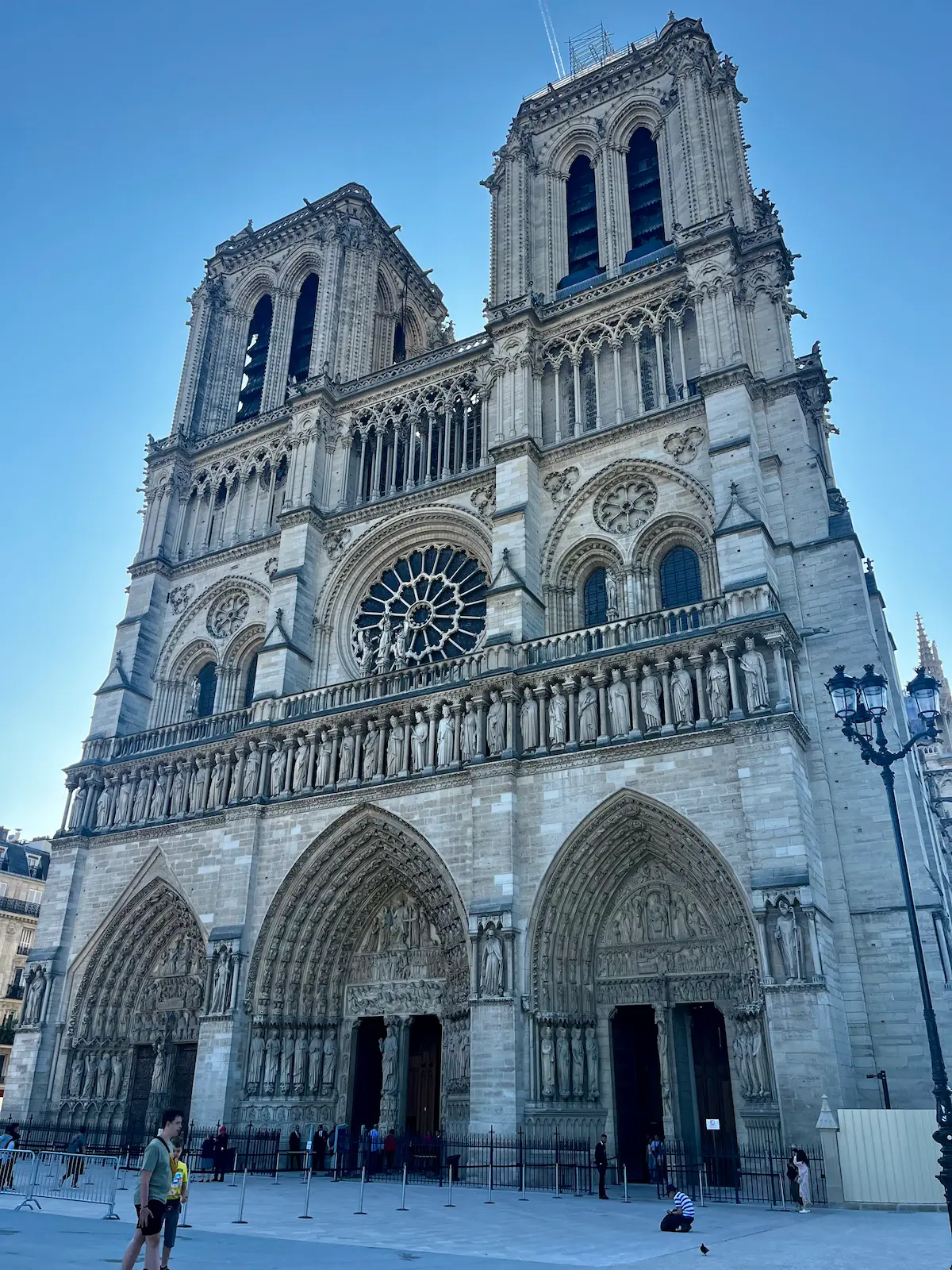
Come for the Middle Ages, not only for the highlights. This is the one museum in Paris devoted to the medieval world, and it is the period that built Notre-Dame, the Sainte-Chapelle and the Latin Quarter you are standing in. Seen here first, the rest of medieval Paris reads completely differently, which is why we like pairing it with the Sainte-Chapelle or the Latin Quarter walk.